

























































In Shelbyville, the Tennessee whiskey darling that turned Nearest Green’s story into a national brand is now fighting for its own survival in federal court. Uncle Nearest, the fast-rising distiller, is in a high-stakes legal brawl that could end with the founders keeping control, the business being reorganized, or the whole operation sold off to satisfy creditors. Farm Credit Mid-America says the company has defaulted on more than $100 million in loans, while founders Fawn and Keith Weaver point to alleged internal fraud by a former executive to explain the financial gaps. A court-appointed receiver is now running day-to-day operations, and every new filing nudges the brand closer to its next chapter, whatever that looks like.
What The Filings Say
Farm Credit’s lawsuit claims Uncle Nearest repeatedly violated loan covenants and overstated the number of whiskey barrels pledged as collateral, leaving the company with seven-figure obligations, according to The Tennessean. Earlier coverage traced how the dispute spilled into public view after Uncle Nearest fell into default on a revolving credit facility and term loans. Forbes first detailed the lender’s $108 million claim last year, setting the stage for the current courtroom fight.
Receivership And The Feb. 9 Hearing
Federal court records show U.S. District Judge Charles E. Atchley appointed Phillip G. Young Jr. as receiver last year and handed him broad authority to manage Uncle Nearest’s assets and operations. The judge also set a Feb. 9, 2026, hearing in Knoxville to hash out how far that receivership should reach, including whether related entities tied to the brand should be pulled into the estate. Reporting from Axios lays out the scheduling and the orders that followed Farm Credit’s original filing.
Receiver’s Warning And The Money Math
In filings unsealed in early February, the receiver warned the court that the business is running with mounting cash shortfalls and that Farm Credit has effectively been funding ongoing losses while the receivership stays in place. He also pointed to additional vendor claims and intercompany transfers that, along with the lender’s tally, push total exposure beyond the original $108 million figure. The Moore County Observer and other summaries of the filings spell out those numbers and the receiver’s argument for widening his oversight. A summary of court exhibits on All About Lawyer suggests that, if all asserted claims and liens are ultimately allowed, combined creditor exposure could reach into the low hundreds of millions.
Founders’ Counterattack
The Weavers are not taking the allegations quietly. In early January, they filed a separate civil complaint in Bedford County against their former chief financial officer, Michael Senzaki, accusing him of fraud, forgery, and manipulating records, allegations they say explain the discrepancies Farm Credit is now using against them. TheGrio and other outlets reviewed that state-court complaint, which is running on a parallel track to the federal receivership and making it harder for anyone to present one clean, consolidated picture of Uncle Nearest’s finances.
Local Ripple Effects In Shelbyville
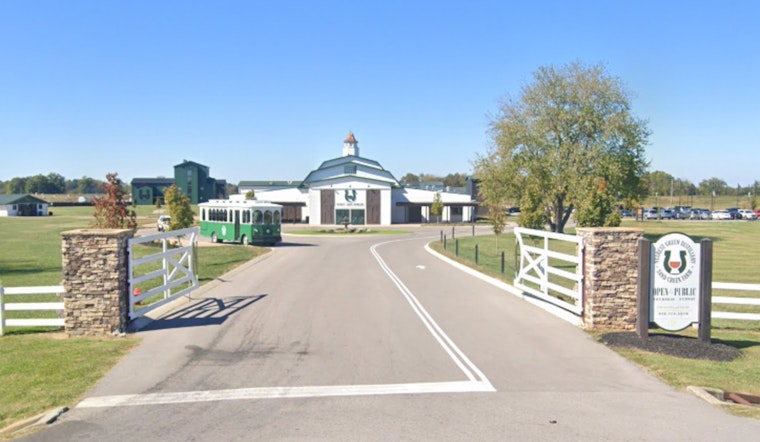
On the ground in Shelbyville, the Nearest Green distillery and its visitor amenities remain open, even as the paperwork flies. Tours and select hospitality services are still operating, according to WGNS Radio, though employees and local partners are watching the docket about as closely as they watch the rickhouses. The Weavers’ investments in downtown Shelbyville, including the Humble Baron venue and related projects, mean this courtroom drama is not just about bottles on national shelves. It is also about local jobs, tourism traffic, and whether a high-profile bet on reviving a small Tennessee city keeps paying off.
What To Watch Next
New court orders require previously sealed exhibits to be refiled and set deadlines for rebuttals and status updates, so the case file will keep growing. The docket on Justia, along with follow-up reporting, will be the main place to see whether refinancing proposals or potential asset sales materialize. Earlier receiver reports filed with The Lynchburg Times indicated he believes the brand can be reorganized if things are handled carefully, but upcoming rulings will determine how realistic that path is.
Bottom line: the choreography in federal court will decide whether Uncle Nearest becomes a reorganized Tennessee comeback story or ends up in a sale or liquidation that reshapes the Shelbyville site and the company behind the celebrated spirit. The next few weeks of filings, hearings, and orders will determine whether the Weavers keep the keys to the brand they built or whether the receiver and the lender call the shots. As reported by The Tennessean, creditors are pressing hard for clarity and, above all, a way to get paid.





