

























































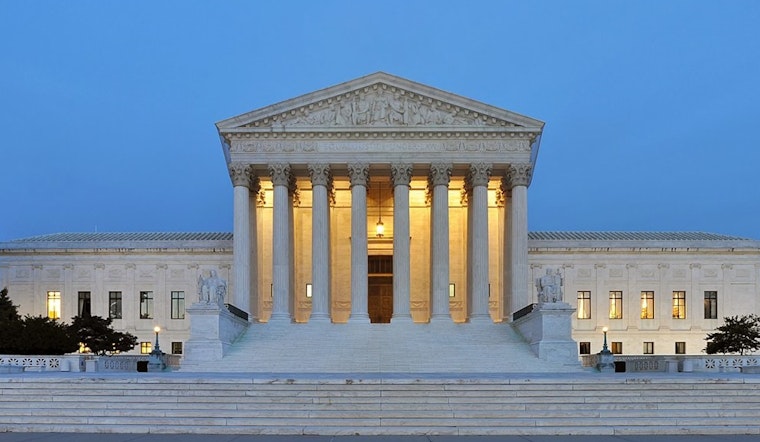
The Supreme Court is finally letting some code into the marble halls. On Tuesday, the Court said it will start using internally built software to scan case filings and flag potential financial conflicts that could require a justice to step aside. The change arrives alongside revised Rules of the Court and new filing requirements set to kick in in mid-March. Court officials stress the tool is meant to back up, not replace, the conflict checks each justice’s chambers already run, and it follows growing scrutiny of judicial ethics and a series of late recusals that have not exactly inspired public confidence.
In a press release, the Court said the Office of Information Technology, the Clerk’s Office, and the Legal Office teamed up to design the system, and that the Rules revisions, accompanied by explanatory Clerk’s Comments, were adopted to support it. The automated checks will match information about parties and attorneys in filings against lists maintained by each justice’s chambers, and the Clerk’s Office will issue updated guidance for electronic submissions ahead of the March 16 effective date, according to the Supreme Court.
Why the change now
The move comes on the heels of the Court’s 2023 adoption of a formal code of conduct and after a high-profile headache for Justice Samuel A. Alito Jr. In January, he recused himself from a coastal-erosion case when filings revealed that a company linked to his investments was still involved. As reported by The Washington Post, financial disclosures show only Chief Justice John Roberts and Justice Alito currently hold individual stocks, a detail critics say makes those last-minute recusals far more likely.
How the screening works
Under the new rules, lawyers filing briefs will have to spell out who is in the case and, when relevant, include stock-ticker symbols so the software can run its checks. The in-house system will conduct “automated recusal checks” and flag any apparent overlaps for chambers to review before the cases move forward, as detailed by Bloomberg Law.
Watchdogs call it a modest fix
Ethics advocates are giving the change a cautious thumbs-up, with an asterisk. They say the software is better than nothing but hardly a cure-all. "They'd agree as a Court not to hold any stocks during their tenures," Gabe Roth of Fix the Court told The Washington Post, arguing that automated checks are already standard in many lower courts and do not remove the underlying conflicts created when justices own individual shares.
What litigants should expect
For lawyers, the practical fallout is less drama and more paperwork. Filers will need to clearly identify corporate parties and include ticker symbols where applicable so the screening system can catch overlaps at the outset. The Court’s release underscores that the software will supplement, not substitute for, the reviews already conducted in chambers and that filing guidance will be refreshed before March 16, per the Supreme Court.
Legal implications
The Court’s code of conduct says a justice should disqualify themselves when their "impartiality might reasonably be questioned," but there is no outside enforcement body, and each justice still decides on their own recusal. Legal analysts say the new automated checks could cut down on accidental conflicts that slip through the cracks, yet are unlikely to alter the Court’s broader self-policing approach, a point explored by Bloomberg Law.





