

























































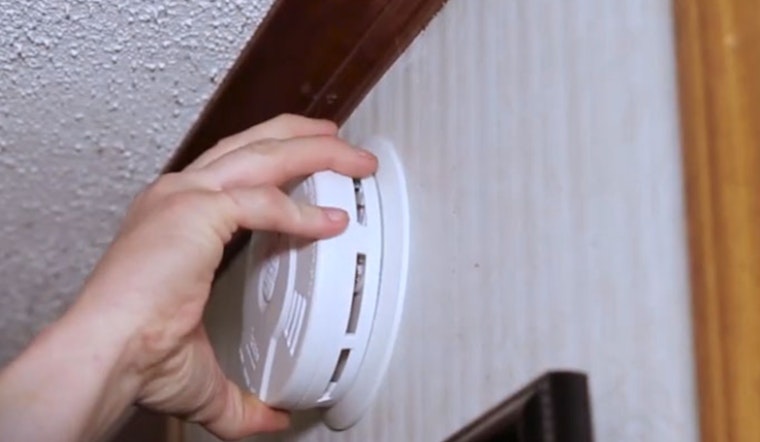
Tennessee is turning up the volume on its home safety campaign, rolling carbon monoxide detectors into its long-running free alarm program in a bid to counter a growing cold-weather threat. The statewide expansion folds CO alarms into the Get Alarmed, Tennessee! initiative, which has been distributing free smoke alarms since 2012. State officials say the program has already reached hundreds of thousands of homes and is credited with saving hundreds of lives.
The Tennessee Department of Commerce & Insurance and the State Fire Marshal's Office say the latest expansion is paid for with a federal grant and builds on an initial CO alarm distribution in 2025, as reported by WVLT. TDCI Commissioner and State Fire Marshal Carter Lawrence told the station his office supplied the Metro Nashville Fire Department with more than 400 CO alarms for homes still relying on gas-powered generators. WVLT also reported that the program has distributed more than 300,000 alarms and is credited with 524 verified saves.
How To Get A Free Detector
Tennesseans who need an alarm can request one through the State Fire Marshal's online form. The program is administered by the Tennessee Department of Commerce & Insurance and was launched in November 2012, according to the Tennessee Department of Commerce & Insurance website.
For direct requests, residents can use the SFMO's ArcGIS request form at the state's alarm request page, and participating local fire departments handle the installations. The department's Get Alarmed page outlines training requirements, reporting and how communities can join the program, according to the Tennessee Department of Commerce & Insurance.
Why The Expansion Now
Officials say the new push is a direct response to what happened during Winter Storm Fern, when widespread power outages sent generator and alternative-heating use through the roof and coincided with carbon monoxide illnesses and suspected deaths. Metro Nashville's Office of Emergency Management logged multiple generator-related CO concerns during the storm, including at least one suspected fatality discovered with a running generator nearby, according to the city's emergency update.
State leaders have framed the grant-funded rollout as a targeted effort to get CO alarms into the homes most likely to rely on fuel-burning devices when the lights go out.
Quick Safety Tips
Carbon monoxide is odorless and can build up fast when generators or other fuel-burning devices are used indoors, so officials stress the basics. Test alarms every month and replace each unit at the interval recommended by the manufacturer. Install CO alarms on every level of the home and outside sleeping areas, and never run generators inside a house or in a garage.
Federal guidance also calls for placing portable generators well away from living spaces, typically at least 20 feet from doors, windows, and vents, according to the U.S. EPA.
State officials say the expanded program is aimed at keeping the most vulnerable households safer during outages and cold snaps. To request a free alarm or detector, residents can submit a form through the alarm request page, and the Get Alarmed program overview and partner contacts are listed by the Tennessee Department of Commerce & Insurance.





