

























































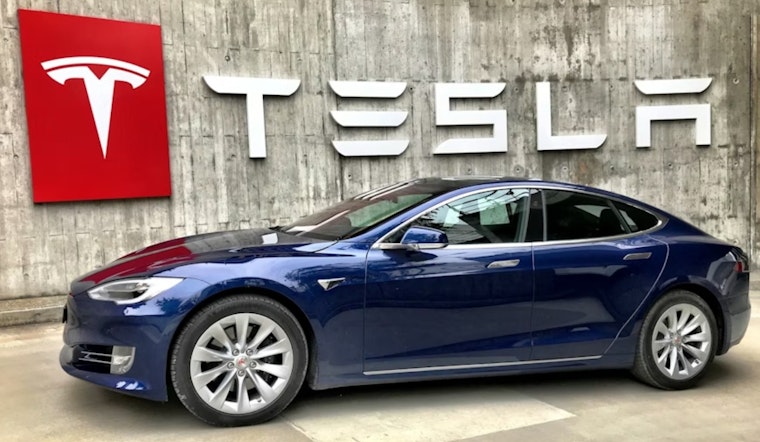
Tesla could be staring down a third straight year of falling global deliveries in 2026, and investors are quietly doing the math on how far the company can lean into AI and robotics without torching too much cash. Weaker car sales, paired with a planned surge in capital spending, have analysts and equity desks reworking their free cash flow models for next year. For San Francisco investors and Bay Area suppliers, it is a double‑edged risk: softer auto volumes just as Tesla doubles down on robotaxis and humanoid robots.
Analysts See Delivery Declines And Downgrades
Analysts, including Morningstar and Morgan Stanley, now expect deliveries to fall again in 2026 after volumes slipped in 2024 and 2025, and consensus growth forecasts for the year have been sharply trimmed. As reported by Reuters, visible‑alpha consensus and analyst models have cut 2026 delivery growth from roughly 8.2% in January to about 3.8%.
Capex Plans And Cash On Hand
Tesla itself is signaling a very heavy spending year. In its 2025 Form 10‑K, management says it expects capital expenditures to exceed $20 billion in 2026 as the company pours money into AI compute, new factories and robotics production lines. The filing also shows Tesla ended 2025 with about $44.06 billion in cash, cash equivalents and investments, providing a sizable cushion even as spending ramps up, according to the company’s disclosures filed with the SEC.
How Much Cash Could Be Burned?
Wall Street models are all over the place on how much cash might be used next year. LSEG data cited by analysts point to an average negative free cash flow of around $5.2 billion for 2026, while Morgan Stanley’s more cautious scenario, highlighted by analysts covering the stock, forecasts cash burn that could top $8 billion. Those projections, reported by Reuters, are tempered by Tesla’s large cash stockpile and by management’s ability to slow or reprioritize projects if demand weakens.
Investors Betting On Robotaxis And Robots
Even as delivery growth cools, many shareholders are valuing Tesla more on its longer‑term AI and services potential, including Full Self‑Driving, a possible robotaxi fleet and its Optimus humanoid robots, than on near‑term car sales. CEO Elon Musk’s emphasis on those initiatives, along with the company’s plan to shift more capital toward AI‑heavy projects, has helped keep investor interest alive, a dynamic detailed in reporting from AP News.
What This Means For The Bay Area
The Bay Area is positioned to feel both the pain and the upside of Tesla’s pivot. Softer car demand could pressure local suppliers and retail partners that rely on steady vehicle volumes. At the same time, big new factory and AI investments could tilt regional hiring toward software, data and compute infrastructure roles. Hoodline coverage of the regional shakeout flagged potential factory retooling in Fremont and a debate over whether Tesla’s push into AI is true reinvention or a reaction to a weakening car business.
What To Watch Next
Investors will be zeroed in on Tesla’s quarterly delivery updates and the company’s next earnings call for fresh guidance on production, margins and the traction of Full Self‑Driving. Management’s capital‑spending choices and any early revenue signals from robotaxi pilots or Optimus tests, the kind of details Tesla lays out in filings such as its Form 10‑K, will be the key data points that determine whether markets keep backing the company’s high‑risk pivot.



