

























































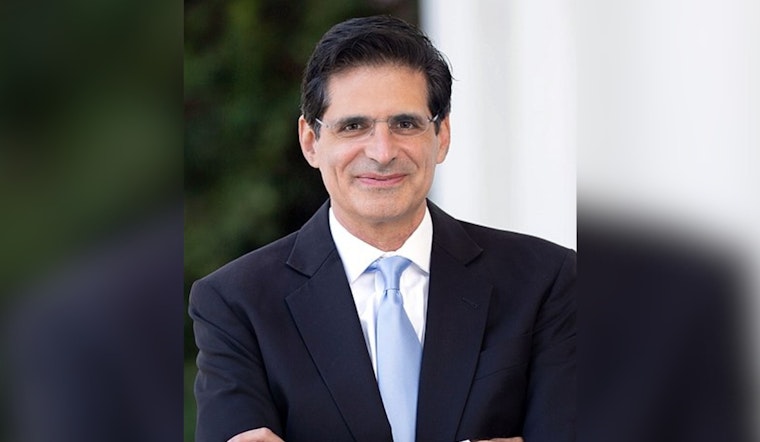
State Sen. Josh Becker is taking direct aim at what utility executives take home, floating a sweeping electricity proposal, SB 905, that would tie part of their pay to what everyday customers see on their bills. The bill would require big investor-owned utilities to meet clear performance tests and would link at least 20% of incentive compensation for vice presidents and other rate-funded positions to a simple benchmark: keeping the average cost of electricity from rising faster than inflation over a rolling three-year period. It also instructs regulators to build public metrics on reliability, grid capacity and greenhouse-gas intensity so the public can actually see how utilities are doing.
The San Mateo Daily Journal described SB 905 as "a major utility reform package" and noted that the pay provision would not touch CEOs or roles paid directly by shareholders. Instead, it is aimed at vice presidents and higher-level executives whose compensation is funded through rates. Becker's office has cast the bill as both an affordability and accountability play that would also try to keep wildfire-related costs from landing entirely on ratepayers.
According to the bill text on California Legislative Information, SB 905 would create the Policy-Oriented and Wildfire Electric Reimbursement (POWER) Program, require the California Energy Commission and the California Public Utilities Commission to craft performance-based metrics, and order the PUC to open a formal proceeding on those metrics by Jan. 1, 2028. The text lays out what regulators must track, including distribution and transmission reliability, utilization of distribution segments, greenhouse-gas intensity and the average cost of electricity for different customer classes, and it tells utilities to provide up to 10 years of historical data where that is feasible. It would also require utilities to structure incentives so that at least 20% of total annual compensation for rate-funded vice presidents and equivalent roles hinges on the bill’s electricity-cost test, and it directs the PUC to publish a public dashboard that displays each utility’s performance metrics.
Becker has framed the proposal as a direct response to eye-popping bills. He told the Daily Journal that Southern California Edison customers have seen roughly a 90% increase in electricity costs over the past decade and that Pacific Gas and Electric customers have seen about a 110% jump over the same span. His office argues those trends make it tougher for households to invest in electrification and electric vehicles, and that lining up executive pay with customer outcomes could nudge utilities to rethink how they choose and prioritize big-ticket investments.
How SB 905 Fits With Past Reforms
SB 905 is designed to sit atop an earlier round of wildfire-related reforms. Becker's SB 254, which passed in 2025, created a Continuation Account in the Wildfire Fund and required shared contributions from both utilities and ratepayers through 2045, as outlined in the SB 254 bill text on LegiScan. The new SB 905 proposal would also keep reimbursements under the POWER Program out of a utility’s rate base and ask the PUC to assign reduced returns on equity for certain capital costs, steps that supporters say are meant to cool the longstanding incentive to overspend on relatively low-risk projects.
What Comes Next
SB 905 was introduced on Jan. 22 and was amended in committee on March 17 before being re-referred to the Senate Rules Committee, per the official bill page. If it makes it through additional committee votes, it will head to the Senate floor and, if ultimately enacted, would kick off multi-year rule-making at the PUC and CEC to hash out the specific metrics, dashboards and incentive structures the bill calls for. Utility industry opponents are widely expected to push for changes as the bill moves through hearings, and Becker has already predicted that utilities will fight this one for sure.
Legal And Enforcement Implications
The bill text notes that because parts of SB 905 would be carried out through PUC action, violations of the Public Utilities Act or of PUC orders could bring criminal penalties, a point the authors flagged in their fiscal and legal analysis on LegiScan. The legislation would also give regulators explicit authority to weigh utility performance in general rate cases and to pursue alternative financing tools intended to lower the cost of capital collected through rates.
For Bay Area ratepayers, who are already staring down above-average bills, SB 905 amounts to a test of whether corporate pay can be tied more closely to customer outcomes than to shareholder returns. Whether the bill survives committee scrutiny and pressure from industry groups will determine if regulators end up with the new toolkit Becker is hoping for to slow rising bills and support a more affordable clean-energy transition.


