

























































The Utah House on Tuesday signed off on a nearly $375 million supplemental spending bill after a brief but sharp dustup over a $10 million line item for a proposed "Pioneer Trail" in downtown Salt Lake City. Critics argued the downtown loop did not belong in a statewide spending package. At the same time, backers framed it as a relatively small price tag for a walkable civic amenity and a possible magnet for tourists. The measure passed the House on a 68-6 vote and now moves to the Senate.
Rep. Nelson Abbott, R-Orem, urged colleagues to hit pause so he could propose an amendment to strip the Pioneer Trail money, saying his constituents prefer smaller government. Rep. Kristen Chevrier flagged concerns that had surfaced in committee. Bill sponsor Rep. Val Peterson countered that tinkering with the budget at this stage would "unravel six weeks of work," and the motion to pause debate failed. As reported by KSL, Gov. Spencer Cox had previously put in a $5 million request for the Pioneer Trail concept.
H.B. 2, the New Fiscal Year Supplemental Appropriations bill sponsored by Peterson, carries roughly $375 million in additional spending and includes the $10 million Pioneer Trail allocation, according to the Utah Legislature. The bill's official status page shows the measure has cleared the House and is now awaiting action in the Senate. Lawmakers said the Pioneer Trail line item is one of many projects that emerged from weeks of budget negotiations.
What the Pioneer Trail Would Be
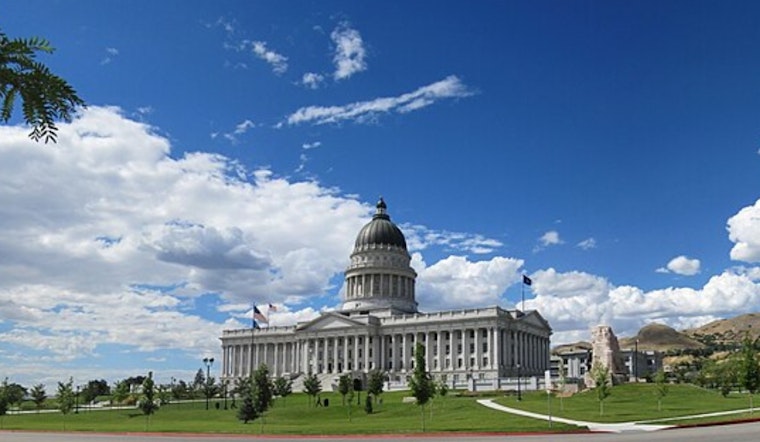
The Pioneer Trail Foundation describes the proposal as a roughly one-mile walking loop that would link Temple Square, City Creek Park, Council Hall, the Utah State Capitol and Memory Grove, according to the Pioneer Trail Foundation and its presentation to the Capitol Preservation Board. Foundation leaders told the board the idea borrows from Boston's Freedom Trail and that private partners have already signaled interest in supporting pieces of the work. Supporters say the loop would stitch together existing historic landmarks and give visitors a clearer path through the area.
Senate Leaders Back the Idea
Senate budget chair Sen. Jerry Stevenson, R-Layton, dubbed the project "a landmark" that "will be recognized for centuries." At the same time, Senate Minority Leader Luz Escamilla said the loop could grow into a tourist draw, according to KSL. That kind of bipartisan support in Senate leadership helped weaken attempts on the House floor to yank the funding and signaled the project has a decent shot of surviving in the upper chamber. Backers argue that a state contribution would help unlock local and private dollars that have been discussed during planning talks.
What's Next
With the House vote now in the books and H.B. 2 on its way to the Senate, lawmakers have a tight window to tweak the supplemental budget before the 2026 session wraps, according to the legislative calendar and the H.B. 2 status page on the Utah Legislature. If the Senate leaves the Pioneer Trail funding intact, state officials and local partners are expected to move into the design, permitting and funding-commitment phase. Opponents say they will keep pressing to limit how much state money goes into projects they see as concentrated in a single city.
For Salt Lake City residents watching from the sidelines, the debate is essentially about priorities: whether the state should lean into visible upgrades in the capital or keep a tighter lid on statewide spending. Lawmakers are expected to hold more hearings and take a final vote on the supplemental package before the session ends this week.




