

























































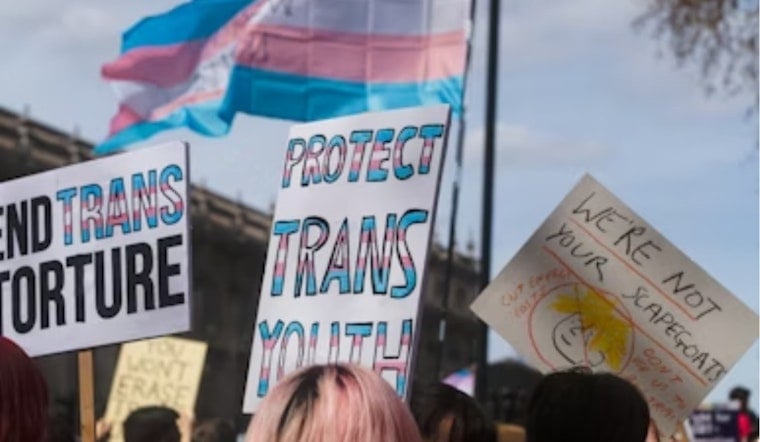
On Sunday, hundreds of people packed the south steps of the Utah State Capitol for a Trans Day of Visibility rally and march, turning a patch of marble and lawn into a highly visible show of resistance. Marchers carried a massive transgender flag down State Street to the Salt Lake City & County Building, where they gathered for speeches, an open mic and a pointed protest of recent state legislation that organizers say threatens trans rights in Utah.
Voices From The Steps
Speaker after speaker kept the focus personal and close to home, sharing what the moment means for their families, health care and housing. "Today, I stand visible," said Sean Childers‑Gray, who told ABC4 that he refuses to "let the system continue to break me." The open mic that followed gave dozens of attendees a chance to step up to the microphone and spell out, in their own words, what is at stake.
Organizers, Flags and Route
The Utah Pride Center and The Glitter Foundation organized what they described as the second Trans Day of Visibility rally, and urged volunteers to help carry what the group calls the state's largest transgender flag from the Capitol to the Salt Lake City & County Building, according to the Utah Pride Center. The supersized flag display echoed last year's unveiling of a 200-foot banner on the Capitol grounds, an event previously covered by the Salt Lake Tribune.
Bills at the Center of the Protest
From the steps to the street, participants repeatedly called out HB174 and HB404 as key reasons they had shown up. The measures would tighten restrictions on gender affirming care for minors and allow landlords to limit single sex housing based on sex at birth. The amended text for HB174 would bar most hormonal transgender treatment for minors and classify violations as unprofessional conduct, according to the Utah Legislature, while KSL reported that HB404 has advanced through committee this session.
Legal and Medical Stakes
Bill language for HB174 explicitly labels providing prohibited hormonal care to minors as unprofessional conduct, a designation that could trigger licensing discipline for medical providers, according to the amendments posted on the Utah Legislature site. Legal and advocacy groups say such restrictions would push some families to seek care out of state and could spark legal conflict. The ACLU of Utah has been tracking and opposing several measures from the current session that affect transgender people.
Organizers framed Sunday's rally as a signal that opposition will not fade as the 2026 legislative session grinds on, and volunteers and legal advocates are already sketching out follow-up actions, according to the Utah Pride Center. Lawmakers still face committee votes and floor action on the contested bills, and the way those votes fall will determine whether the visibility on the streets manages to shift anything inside the Capitol.





