

























































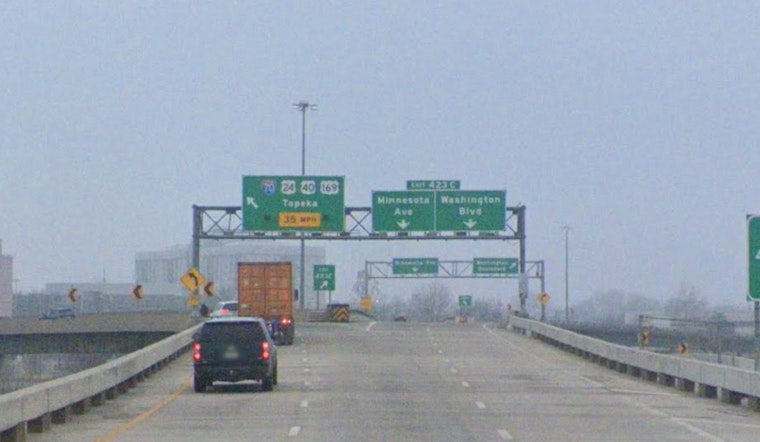
Downtown Indianapolis’ most notorious tangle of concrete could be in for a major makeover. Civic leaders yesterday rolled out a plan to sink and cap the stretch where Interstates 65 and 70 meet, freeing up land for parks, housing and businesses while keeping traffic moving below and stitching back together the neighborhoods around Fletcher Place and Fountain Square.
What is on the table
The proposal is part of the Southeast Gateway planning study, which sketches out concepts to recess the interstate and build caps between Washington and Prospect streets and between East and Shelby streets. Those caps could host new parks, housing and commercial space, as reported by WISH-TV. The study also pitches an “innovation corridor” along West Street that would link nearby universities, hospitals and tech hubs. As Taylor Hughes put it, “This is about aligning infrastructure with the future of Indiana’s economy.”
How the study came together
The Southeast Gateway effort is funded by a U.S. Department of Transportation Reconnecting Communities planning grant and led by the Rethink Coalition in partnership with the city and INDOT, according to Rethink Coalition. The group’s Visionary Study explores how a recessed, capped highway could still handle traffic while opening up land for development. The planning process has leaned heavily on public workshops and technical briefings to collect neighborhood feedback, as WRTV reported.
Why supporters say it pencils out
Advocates point to an estimate that every dollar spent on the project could return roughly $1.10 to $1.40 in benefits, a calculation they cite to argue that higher upfront construction costs would pay off over time, as reported by WISH-TV. Backers also contend that capping the highway would cut noise and pollution, improve safety and open up tens of acres for new development, all key planks in the Visionary Study’s case for the redesign.
Timing, construction and the bigger picture
Planners say the Inner Loop is nearing the end of its useful life and that the south leg is among the segments likely to need major rebuilding in the next decade, which makes early design decisions critical, per Rethink Coalition. Advocates argue that tying this concept to INDOT’s scheduled reconstruction work could give Indianapolis a rare chance to reconnect long-divided neighborhoods instead of simply rebuilding elevated ramps in place.
What neighbors are saying
Public meetings have revealed plenty of enthusiasm for reconnecting streets and neighborhoods, along with pointed questions about displacement, construction disruption and who really benefits from any new development, residents told Mirror Indy. At one workshop, an attendee summed up a common sentiment: “We want our neighborhoods reconnected,” a line that has been echoed repeatedly at recent sessions. City leaders say those concerns will help shape design choices and community-benefits discussions as the planning continues.
What happens next
Rethink and its city partners plan to use the Southeast Gateway study to pursue more detailed engineering work and additional federal dollars. The initial USDOT planning grant came with local matching funds, WFYI reported. For now, the concept remains a high-level vision that still needs formal designs, firm financing and a stack of approvals before any construction crews show up on the south split.





