

























































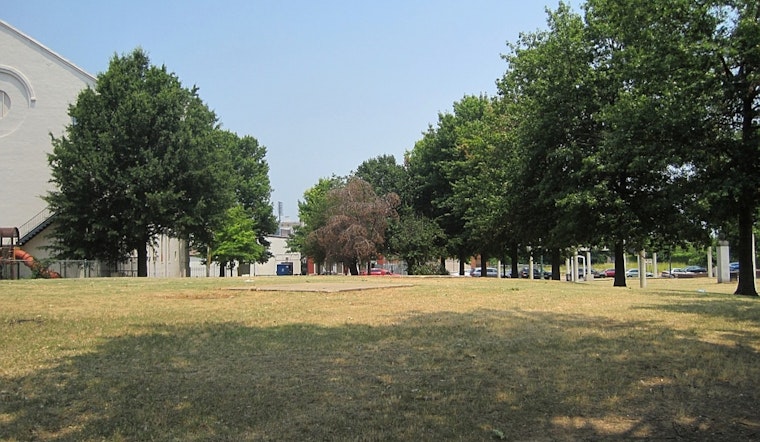
A group of Memphis pastors and community leaders is pushing a $20 million comeback for long-neglected Robert Church Park on Beale Street, unveiling a pitch on Tuesday to rebuild the historic site with a new auditorium and community spaces. Their goal is to revive what they describe as a missing cultural anchor just east of FedExForum and to reconnect downtown Memphis with its Black civic roots.
The proposal, presented Tuesday and headed for formal review by the Memphis City Council, calls for constructing a new auditorium on the park’s footprint and adding offices, senior services and an African American museum at an estimated cost of $20 million, according to WREG. Organizers say the mixed-use setup is designed to keep the site active throughout the year instead of leaving it as mostly empty public space that only comes alive for occasional events.
Robert R. Church Sr., born into slavery and later recognized as the South’s first Black millionaire, paid for Church Park and its original auditorium in 1899 to create recreation and performance space for Black Memphians, according to the city’s parks authority. Memphis Parks records describe early gardens, playgrounds, and civic amenities that once made the area a neighborhood hub.
At its peak, the auditorium seated roughly 2,000 people and drew high-profile speakers. Documentation of the Beale Street historic district by the National Park Service lists guests such as Theodore Roosevelt and Booker T. Washington. Much of the complex was cleared during mid-20th-century urban renewal projects, and the performance hall was demolished decades ago.
Plan Would Recreate Lost Auditorium
Backers of the project say a rebuilt venue would restore space for large public gatherings and also pay the bills between big events. The concept pairs a new auditorium with weekday uses such as office space, senior programming, and a museum of African American history to keep the property busy and relevant. Calling the missing auditorium “a major hole in our soul,” Rev. LaSimba Gray told WREG that detailed design work and fundraising would follow only if the City Council signals early support.
What Comes Next
The plan was placed on the council agenda for Tuesday, and members’ reactions will determine whether it moves ahead to feasibility studies, site design and a formal fundraising strategy. The park is city-owned property managed by the City of Memphis, so any overhaul would need municipal approval and likely a blend of public and private money.
Supporters argue that rebuilding Church Park would fill a long-standing gap in Beale Street’s civic and cultural landscape and generate more year-round activity at the east end of downtown. Whether the $20 million vision gains traction with council members and potential donors should become clearer in the coming weeks, as organizers push for studies and commitments and preservation advocates highlight the site’s importance. Memphis Heritage traces the park’s central role in Beale Street’s Black entrepreneurial and cultural legacy and points to that history as a reason to act.





![Thomas R Machnitzki ([email protected])](https://commons.wikimedia.org/wiki/File:Robert_Church_Park_Memphis_TN_017.jpg)