

























































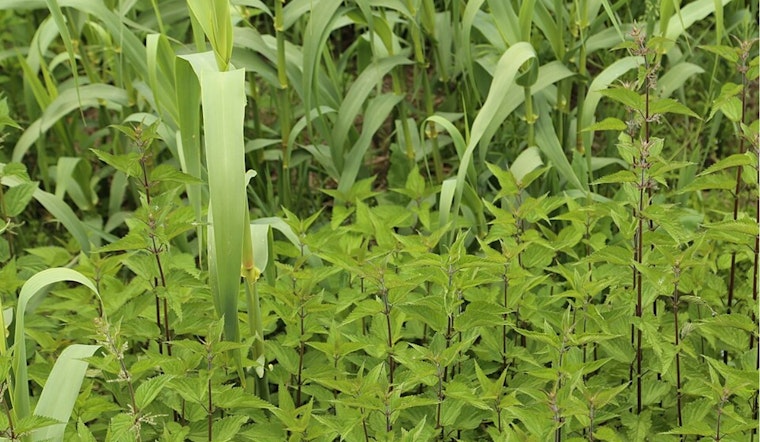
Along the Rio Grande, a long-running experiment that mixes tiny wasps, heavy machinery and taxpayer dollars is still not delivering a neat, cleared-up riverbank. Thick stands of Arundo donax, the bamboo-like giant reed that devours water and hides riverbanks, continue to choke miles of waterways and complicate everything from flood control to border enforcement. Local crews say the fight has turned into a patchwork of partial fixes, expensive follow-ups and stubborn regrowth.
As reported by Undark, the mess is as much about paperwork as plants. Jurisdictional fights, a National Guard presence tied to Texas’s Operation Lone Star and shifting agency priorities have all complicated on-the-ground work. Cy Tongate, a project coordinator with the Rio Grande Vegetative Management Program, told the magazine, “there’s a lot of futility” in government efforts, and Undark describes how federal and Border Patrol money paid for tactics such as mowing and “topping” the cane. The report also says the federal government spent at least $4 million on Arundo treatments in Fiscal Year 2025.
How the wasps and scale insects were supposed to help
A large biological-control push led by USDA entomologists released two European insects, the stem-galling wasp Tetramesa romana and an armored rhizome scale, Rhizaspidiotus donacis, into the Lower Rio Grande Basin beginning in 2009. A 2022 chapter from the USDA Forest Service documents that more than 1.2 million wasps and roughly 600,000 scale crawlers were mass-reared and dispersed at dozens of Rio Grande sites, and that in some places wasps were carried in cardboard boxes and released from low-flying aircraft. The chapter credits established populations at more than 25 sites and reports early declines in shoot weight where the agents became abundant.
Science split: real gains or statistical mirage?
Field surveys led by John Goolsby and collaborators reported an average 22 percent drop in above-ground Arundo biomass by November 2014, along with larger declines at some sites in later surveys, a result summarized by USDA-ARS. Goolsby and Patrick Moran later argued that those reductions, along with subsequent work combining wasp and scale impacts, translated into substantial water savings and ecosystem benefits. Not everyone is convinced. A 2018 paper in Entomologia Experimentalis et Applicata concluded that the arundo wasp “does not control” giant reed in parts of Texas and raised questions about whether hydrological variation, monitoring gaps and site selection explained some of the reported declines.
Politics, budgets and patchwork management
On the policy side, Texas has recast its push as the Rio Grande Vegetative Management Program, administered by the Texas State Soil and Water Conservation Board, which notes that roughly $4.9 million per year will be necessary to sustain landscape-scale control. The state program emphasizes voluntary landowner participation and coordination through local soil-and-water conservation districts. Local pilots, from drone-based treatments to mechanical “topping” intended to improve Border Patrol visibility, have treated thousands of acres but remain vulnerable to shifting legislative and federal support, as Undark and state materials make clear.
What comes next
Researchers and managers say the most durable path forward is one that pairs biological agents where they establish with targeted topping or fall herbicide treatments, followed by long-term monitoring and revegetation to prevent reinvasion. The California Invasive Plant Council and UC ANR’s WeedCUT pages lay out why integrated protocols, repeat treatments and cross-jurisdictional coordination are crucial for turning short-term damage into durable control. Without that kind of sustained cooperation and funding, local managers warn, the reed will seize on the next flood or funding shuffle and the same patchwork battle will keep replaying along the river.



