

























































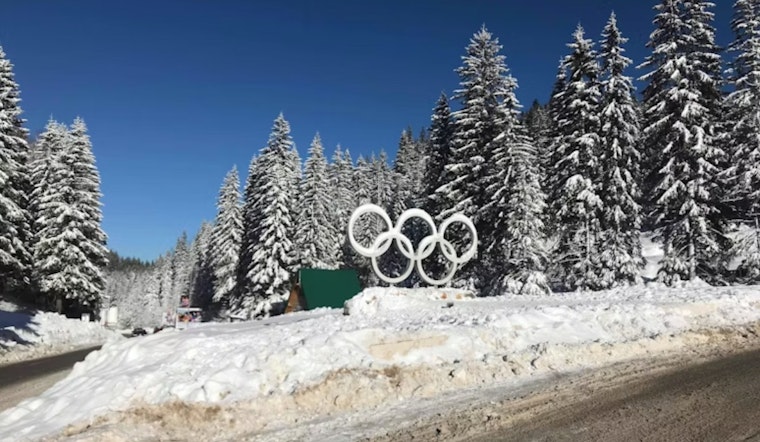
Olympic insiders are quietly floating a radical shift in how the Winter Games work: instead of sending the event to a new city every four years, officials are seriously weighing a plan to rotate among a tight circle of repeat host regions. Backers say a fixed rotation could slash the upfront cost of building new venues, shrink travel footprints and give winter sports a fighting chance against unreliable snow. Skeptics warn it could funnel economic benefits to a privileged few places and shut out cities that only want one moment in the Olympic spotlight.
The debate picked up speed during the Milan-Cortina Games, where federation bosses and some International Olympic Committee members kicked around short lists of reliable sites and talked about shifting specific events to legacy venues. Those talks included the idea of moving sliding sports to tracks that are already in place and sketching out regions with the altitude and temperatures best suited to long-term winter competition, according to The New York Times.
Fit for the Future and climate pressure
The reform chatter is wrapped into IOC president Kirsty Coventry’s wide-ranging “Fit for the Future” review, which is reexamining the sports program, host selection and timing of the Games in the face of warming winters. As reported by AP, the IOC is working off climate modelling that shows the pool of mountain sites with dependable conditions is shrinking, and officials have openly discussed rotating the Winter Games among a permanent pool of locations and moving the event earlier in the year to help protect snow conditions.
Salt Lake City: A test case for permanence
Salt Lake City, already slated to host the 2034 Winter Games, is being touted by some boosters as the textbook example of a place that could anchor a repeat host model because much of the 2002 infrastructure is still in use. Local reporting says Utah officials and organizers are leaning hard into that argument as they pitch the 2034 plan, stressing that the state can deliver high levels of venue reuse and lower construction risk, according to The Salt Lake Tribune.
Who supports it, who worries?
Supporters, including some national federation leaders, say a smaller, stable roster of host regions would eliminate wasteful one-off venue builds and streamline logistics for everyone involved. Critics counter that concentrating the Games in a handful of places could squeeze out broader local legacy gains. The New York Times reports that Johan Eliasch called a repeat host plan “a no-brainer,” while others warned that “so much money is invested in infrastructure that is often not really used afterward.”
What it means for fans, broadcasters and cities
Broadcasters and commercial partners have plenty riding on where this lands. Milan-Cortina drew a big U.S. audience, and networks consistently push for schedules and locations that are friendly to viewers and ticket buyers. NBCUniversal said the Milan-Cortina presentation averaged about 23.5 million viewers across TV and streaming, the largest Winter Games audience since Sochi 2014, a jump that strengthens the business case for hosts that are repeat or reliably sited, per NBC Sports.
Next steps
The IOC’s Fit for the Future review is scheduled to run through the spring, and officials say recommendations and program-level results will be released later this year once working groups finish their evaluations. That timeline, and whatever shape a pilot or phased approach might take, will be watched closely by national Olympic committees, broadcasters and city governments as the movement shifts from hallway chatter to formal policy, according to reporting by ESPN.
For now, the rotation idea remains a proposal on paper. Concrete details on cost-sharing, guarantees for venue reuse and how governance would work still have to be hammered out before any small circle of cities gets elevated to recurring host status. The next round of IOC gatherings and national planning sessions will show whether the repeat host pitch stays a talking point or quietly turns into the new normal for future Winter Games.





