

























































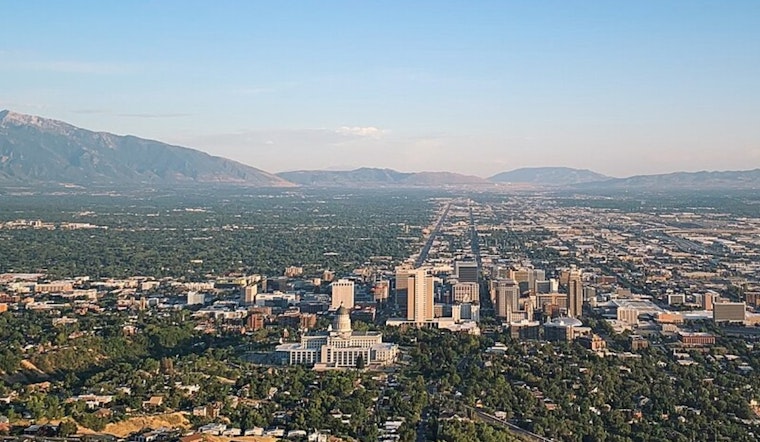
Cranes are poking back into Salt Lake City’s skyline, excavators are chewing up old asphalt, and new renderings are circulating again. It is enough activity to make it feel like the city’s long apartment hangover might finally be easing.
Not so fast, say local brokers and market watchers. Those new projects and freshly opened buildings may grab attention, but the numbers still point to a slow, neighborhood-by-neighborhood rebalancing rather than a clean end to the oversupply story.
That caution shows up in recent reporting and industry data. A local analysis found that CBRE’s pipeline figures reflect heavy deliveries across the Wasatch Front in recent years: roughly 9,896 units delivered in 2025, more than 11,000 in 2024 and about 9,020 in 2023, with roughly 9,000 units projected for 2026-2028, according to Building Salt Lake. "We have a lot of supply… absorption doesn’t happen overnight," CBRE’s Patrick Bodnar told that outlet, a reminder that approvals and site work do not flip the fundamentals on day one.
CBRE Data Shows Absorption Rising, Pipeline Shrinking
At the same time, CBRE’s market figures show that demand is finally putting up a fight. The firm reported net absorption of 2,618 units in the first half of 2025 and occupancy near 95% in Q2, a sign that newly completed product is getting leased, according to CBRE. That combination of solid absorption but still-elevated recent deliveries is exactly what keeps many brokers from declaring the oversupply era finished.
Sugar House Shows Demand, Downtown Is a Different Story
Drill down into the micro-markets and the contrast sharpens. Amenity-rich Sugar House has been more than willing to welcome new units, while downtown is wrestling with tougher competition from a wave of recent completions.
The Residences at Sugar Alley, listed as completed in April 2025 on Kier Construction’s project page, leased up rapidly and helped demonstrate the depth of demand in that neighborhood, according to the developer and leasing material. But local brokers told Building Salt Lake that Sugar House’s rents, reported near $3.25–$3.30 per square foot, and its speedy lease-ups do not mean the same strategy will automatically work a few miles away in the downtown core.
Why Approved Plans Often Stall
One big reason is capital. Equity for new multifamily construction tightened after the peak building years, so projects that clear zoning and design reviews can still sit on ice until the capital stack finally comes together, a pattern that shows up in national pipeline and supply reports. Research firms like Yardi Matrix report that starts and completions have trended down from the 2022-2024 peaks, which should gradually help fundamentals rebalance as fewer planned projects actually reach delivery.
Salt Lake City planning records also show that some large proposals are still alive in the queue, from the Utah Theater design review to filings for the 370 S. West Temple site, according to a Planning Commission Staff Report, even where the most visible work on the ground so far has been limited to excavation or hotel-related activity rather than full multifamily starts.
What To Watch Next
For anyone trying to gauge when the market truly turns a corner, there are three big tells to watch: permits that actually translate into foundations and framing, faster lease-ups on the next batch of newly delivered properties, and clearer evidence that lenders and equity sources are willing to back new ground-up multifamily again.
If starts continue to contract and the development pipeline thins out, local market forecasters and advisers expect vacancies and concessions to ease and rent growth to follow, according to regional forecasts and market advisers like MMG Real Estate Advisors. For now, brokers and data providers agree the recovery will be incremental and highly dependent on which micro-markets, with Sugar House as a prime example, can sustain new products the fastest.





_from_Ensign_Peak.jpg)