

























































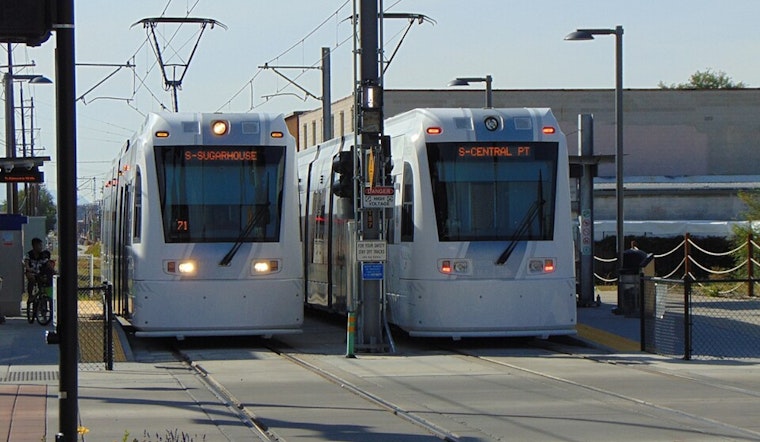
The S-Line is inching further into Sugar House, with Salt Lake City clearing a key administrative hurdle that lets the streetcar creep a few blocks closer to the neighborhood’s busy shopping core. Construction is expected to kick off in May, with the Utah Transit Authority aiming to start new service by August 2027 after roughly 13 months of work. The extension is short at about a quarter-mile, but it comes with a roughly $43 million price tag, land transfers and traffic upgrades that city leaders say should make transit more useful for nearby shoppers and clinic visitors.
On Tuesday, members of the Salt Lake City Community Reinvestment Agency board signed an interlocal agreement with the Utah Transit Authority, according to KSL. That agreement clears one of the last formal steps before crews can break ground, authorizes UTA to operate in the street and spells out how the city and the agency will split long-term maintenance. KSL reports the project will push the line past Fairmont Station into the western edge of the Sugar House Shopping Center, creating a new terminus near the Cinemark and adding roughly a quarter-mile of track.
What UTA Will Build
Project materials from UTA describe a new stop at Highland Drive and Simpson Avenue, along with strategic double-tracking between 500 East and 700 East to improve reliability and allow more frequent trains. According to UTA, the extension is meant to tighten connections to Sugar House Commons and nearby businesses while creating a more visible transit spine through the district. UTA’s planning pages place construction and testing in a 2026 to 2027 window, with revenue service targeted for 2027.
Price Tag and Who’s Paying
Regional planning documents put the total project cost at about $43.2 million, as shown in the Wasatch Front Regional Council’s draft TIP. That figure covers construction, a new vehicle and related work. The draft TIP lists the project and its estimated total cost and notes that funding will come from a mix of state appropriations, transit investment funds and local matches. Because the money is spread across several funding sources and in-kind contributions, city officials say the interlocal agreement itself does not add new dollars but clarifies who is responsible for building and who will maintain the extension once it is open.
UTA's Role and Local Steps
UTA’s 2025 budget documents show the agency programming capital dollars for the S-Line extension and list approved 2025 funding entries tied to the project. Those materials also point to state funds and partner contributions that help cover the broader bill. Salt Lake City, for its part, has prepared land transfers and Reinvestment Agency parcels that will be used for pieces of the build and for future redevelopment, according to Salt Lake City’s District 7. Officials say the mix of donated property and local matches helps close the funding gap and positions the extension to move into construction.
Council members stressed outreach and minimizing disruption as the project ramps up, and KSL reports the work will include new traffic signals at McClelland Street, 1100 East and Highland Drive, along with redevelopment of Reinvestment Agency land between Simpson Avenue and the Parleys Trails at Highland Drive. Officials plan to keep business owners updated on closures and detours as crews sequence work over the roughly 13-month construction period.





