

























































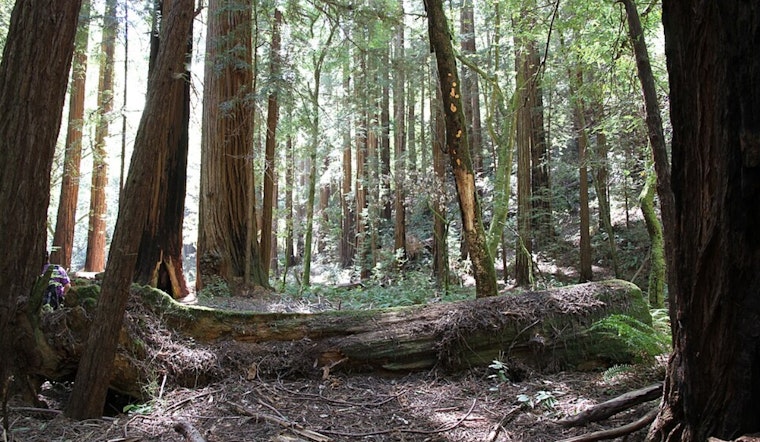
Across the Bay Area, the coast redwoods that have long defined local canyons and hillsides are starting to look rough. Residents and park staff are spotting thinning crowns, brown foliage and bare patches in groves that once felt practically untouchable. Scientists say those visible symptoms reflect a mix of urban pressure, drought and a shrinking summertime fog belt that normally helps keep the giants alive and well.
“If you look up now, in most urban areas, I think everybody can pretty much see that there’s some tops that are dying back,” UC Berkeley environmental scientist Todd Dawson told KQED. He pointed to sidewalks and roadways crisscrossing root zones, saying that concrete can have a very, very negative impact on a tree’s ability to reach water and nutrients. Those local stressors, he said, are piling onto larger climate pressures and making trees more vulnerable to pests and extreme fire.
Fog Loss Is Shrinking the Trees' Water Supply
Coast redwoods rely on summer fog for a significant share of their moisture, and long-term records show that fog is declining. A peer-reviewed analysis in the Proceedings of the National Academy of Sciences links multidecadal shifts in ocean-atmosphere patterns to marked decreases in summertime fog frequency for northern California, changes that researchers say approach roughly 30 percent since mid-century. Without that fog and with recurring drought, trees have less buffer against heat, pests and drier fire seasons.
History And How Little Old-Growth Remains
Before the Gold Rush, coast redwoods covered roughly two million acres along a 450-mile coastal strip. Only a sliver of that original old-growth survives today. Save the Redwoods League notes that fewer than 120,000 acres, about 5 percent, remain as old-growth, and that most surviving ancient stands are now held in public parks and reserves. That scarcity raises the stakes for any tree that starts to decline near cities and trails.
What Can Be Done
At the yard scale, Dawson says supplemental watering can help an individual tree, but it is mostly a band-aid. As he told KQED, "you can't really recreate" the cool, foggy microclimates redwoods need, so experts emphasize protecting forest buffers, prioritizing land acquisition and science-based restoration. Managers are also eyeing landscape-scale fuel strategies to reduce the chance that extreme blazes overwhelm trees that would otherwise survive lower-intensity fires.
Coast redwoods can top 300 feet and their natural range stretches from Big Sur to the California-Oregon border, according to the National Park Service. Conservationists say preserving microclimates, expanding buffers and limiting root-suffocating development near key groves will determine whether these giants remain a visible part of Bay Area life for generations to come.





