

























































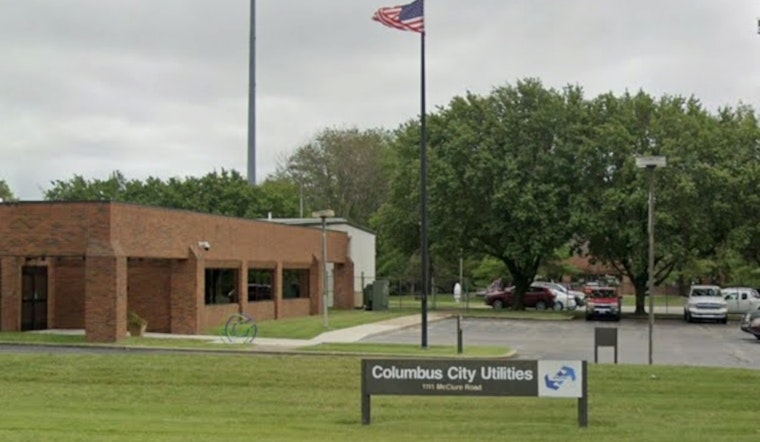
Columbus officials are moving quickly to get ahead of mounting water worries, launching a formal six-month hunt for new drinking water sources as aging wells, contamination concerns and a run of recent main breaks strain the system. The new effort is designed to map where the city can safely tap more groundwater and to build a prioritized, budgeted roadmap for when and how to drill new wells, with the goal of keeping taps running reliably as the community grows.
New study will map aquifers and prioritize sites
Columbus City Utilities has hired Arcadis U.S., Inc. to assemble a Source Water Development Plan that will analyze how much water local aquifers can realistically yield, project future demand and rank potential well-field locations. According to Columbus City Utilities, the seven-stage study will include a deep data review, a capacity check on the current system, a gap analysis to pinpoint vulnerabilities, an alternatives analysis to compare new options and a final technical memorandum for the Utility Service Board. City staff describe the finished product as a high-level roadmap that will guide how Columbus meets its long-term source water needs.
System snapshot: how much the city draws now
Columbus relies entirely on groundwater for its drinking supply. According to a 2024 drinking-water report from Columbus City Utilities, the system currently pulls from 26 wells and treats that water at two filtration plants. Many of those production wells date back decades, which means they now need more frequent cleaning and maintenance as their output gradually tapers off. That aging infrastructure is one reason the utility is looking for fresh, long-term sources. The new planning effort will weigh geologic favorability, environmental risks and the cost of new pipes, power and treatment so officials can decide where additional wells make the most sense.
Contamination history and recent tests
The planning push comes on the heels of several contamination scares that rattled confidence in the existing supply. Local reporting shows Columbus City Utilities shut down two wells in 2017 after tests found elevated levels of the industrial chemical 1,4-dioxane. The utility also joined voluntary PFAS sampling in 2023, which detected PFOA and PFOS above screening levels at some locations. As reported by WRTV and Indiana Public Media, those 2023 findings triggered follow-up sampling and closer coordination with state regulators, even as the city worked to reassure residents their tap water remained safe to drink.
How CCU expects to pay for new capacity
Paying for new wells and related upgrades will not be cheap, and Columbus City Utilities is already signaling how it expects to cover the tab. Utility filings and testimony show the department plans to combine borrowing with rate revenue to fund major projects. The utility has used short-term bond anticipation notes to move engineering work forward and has tapped the state revolving fund program for low-interest loans to finance larger construction jobs. The Indiana Utility Regulatory Commission docket and local reporting indicate city officials are eyeing another round of rate adjustments and loans to keep projects on track, with coverage noting state revolving fund borrowing of roughly $29 million for water work and about $47.6 million for wastewater improvements. For more detail on how the council and utility are approaching those financing decisions, see IURC records and reporting by The Republic.
What residents should watch for
When the Source Water Development Plan wraps up, it is expected to deliver a ranked list of alternatives, recommended timelines and capital cost estimates for the Utility Service Board to weigh. Those recommendations will help determine which projects move first, how quickly the city seeks permits, where it buys property and when construction crews show up. They will also likely shape future rate cases and schedules for major upgrades. Residents who want to stay in the loop should keep an eye on Utility Service Board agendas, public hearings and notices from the utilities office, where the details of Columbus’s next generation of wells will quietly take shape.





