

























































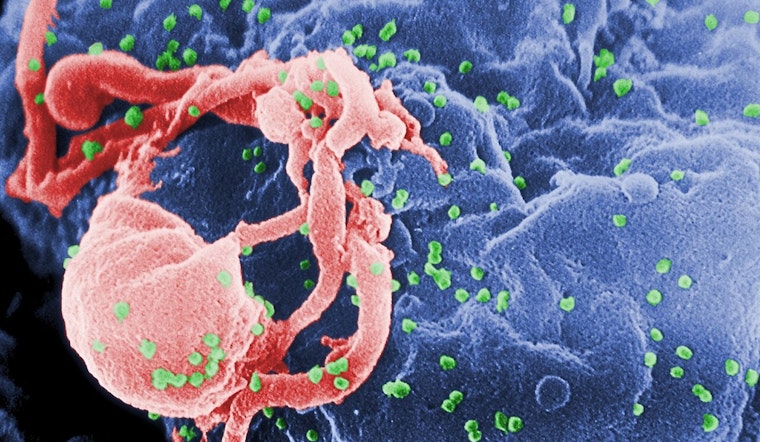
HIV cases are rising again on Chicago’s West Side, and clinic doctors say they are seeing the kind of trend they thought the city had finally pushed into the past. Not only are more people testing positive, a troubling number are also showing up late in the course of infection, often with advanced disease or visible lesions that define AIDS. The reversal of years of progress has clinicians racing to reconnect people to care, and at St. Anthony Hospital, they say the shift is showing up both in the exam room and in who is getting sick.
City data show HIV infections spiked last year, with 818 new diagnoses in 2024 and roughly a 29 percent jump between 2022 and 2024. Nearly half of those new cases were among Latino residents, according to the Chicago Sun‑Times. The paper also reported a rise in late diagnoses, where someone is told they have HIV and then receives an AIDS diagnosis within 12 months.
Dr. Alfredo Mena Lora, an infectious disease specialist at St. Anthony Hospital on the West Side, told WGN‑TV that many of the newer cases he is treating are in Latino patients and that more people are arriving with advanced HIV or AIDS and classic lesions. He urged anyone at risk to get tested and get into care, stressing that antiretroviral therapy not only stops the disease from progressing but, when taken consistently, also prevents sexual transmission.
Prevention tools clinicians point to
Doctors say long-acting prevention could quickly change the picture. Cabotegravir injections (Apretude) are given as loading doses and then once every two months, and a newer twice-yearly injection, lenacapavir (sold as Yeztugo), can provide six months of protection. The Food and Drug Administration outlines Apretude’s dosing schedule and the manufacturer describes Yeztugo’s twice-yearly regimen, according to the FDA and Yeztugo. Experts also emphasize that starting and staying on antiretroviral therapy keeps people with HIV healthy and prevents sexual transmission once the virus is suppressed, per HIV.gov.
Funding and outreach gaps
Advocates and front-line providers warn that shaky funding is undercutting efforts to keep prevention and testing services in the neighborhoods that need them most. National reviews show states have tightened AIDS Drug Assistance Programs and other safety-net supports even as HIV medication costs climb, according to KFF. Local groups say grant denials and a disconnect in how city dollars are distributed have already strained Latino-focused outreach, limiting culturally specific testing and PrEP navigation, as reported by the Chicago Sun‑Times.
Where to get testing and care
People who are worried about exposure or who need medication can still plug into testing, prevention and treatment through local clinics and community-based programs. The AIDS Foundation of Chicago administers Ryan White funding and coordinates a network of clinics that provide HIV testing and help with medication access, according to the AIDS Foundation of Chicago. Spanish-language information and a local service directory are available through HIV Hub, and providers recommend calling clinics ahead of time to arrange same-day or other low-barrier appointments.





