

























































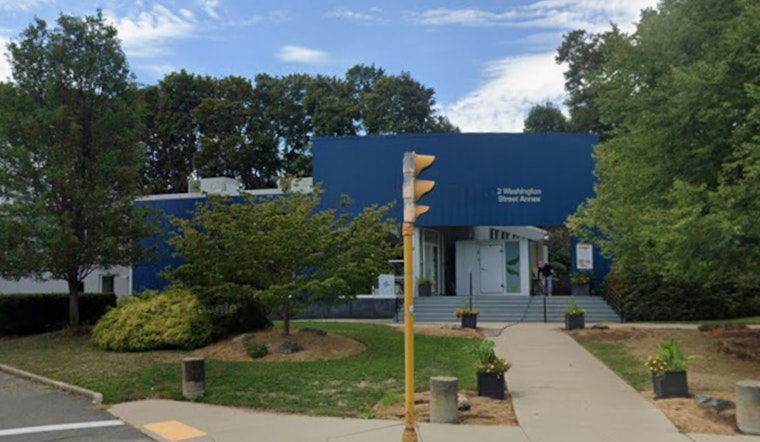
Workers at a small food-access farm in Ipswich walked into a gut punch on Tuesday: nearly 20,000 seedlings smashed, scattered and torn out of their trays inside the farm’s downtown greenhouse. Tomatoes, peppers, cabbage and herbs that had been carefully started for weeks were instead ripped up and dumped across the floor. Executive Director Elizabeth Green called the scene “tremendous devastation and loss,” and said staff spent the day trying to rescue whatever plants could still be saved.
Farm leaders describe the damage
Elizabeth Green, executive director of Three Sisters Garden Project, told WHDH she estimates at least $10,000 in damage after walking into the greenhouse on Washington Street. Green said many of the trays were “thrown on the ground, uprooted, ripped in half,” and that her team worked through the day to salvage any seedlings that might still pull through. She added that the group has not filed a police report and is hoping whoever did this will come forward.
Another estimate and the seedlings' purpose
Partnerships coordinator Jules Grant told The Boston Globe the destroyed plant inventory could total about $20,000. Many of the seedlings had been slated for a May seedling sale and for distribution to food-insecure households across roughly 22 Essex County communities. Neighbors told reporters they noticed activity near the greenhouse around 9 p.m. the night before, and staff say the damage appears to have been caused by people rather than animals.
Why this hurts local food access
According to Three Sisters Garden Project, the nonprofit moved its distribution site and greenhouse into downtown Ipswich in 2025 and now operates farm fields across the region. The group’s site lists a downtown pickup at 2 Washington Street and farm fields on Jeffreys Neck Road, a setup that has helped expand produce distribution to food pantries and program partners. Losing so many seedlings is not just a financial blow; it also scrambles spring planting schedules that feed into year-round programs.
Police, community response and how to help
Green told WHDH the farm has so far chosen not to file a police report, holding out hope the person or people responsible will step up, help replant and make restitution. The incident has already sparked a wave of online support, and local residents have offered to pitch in with replanting. WHDH’s coverage also points readers to the group’s donation portal for anyone who wants to help cover replacement seeds, trays and other supplies. Farm leaders say they will buy plants from nearby growers if necessary to keep their distribution plans on track.





