

























































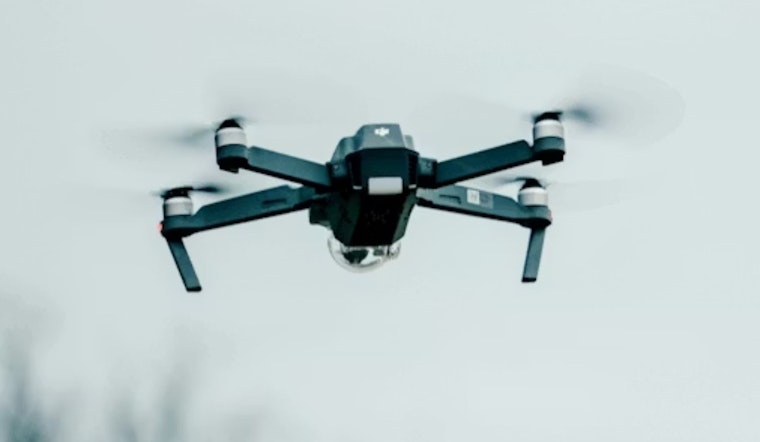
Oakland is on the verge of sending AI-equipped drones into the skies to sniff out illegal dumping across the city, according to staff. The proposed six-month pilot, priced at about $150,000, would fund roughly 72 drone flights to scan an estimated 1,440 linear miles of streets and alleys. The Public Works and Transportation Committee has already advanced the plan, and the full City Council is slated to vote on it April 14.
According to City of Oakland records, the contract with Aerbits would cover those 72 flights over six months, funded through the city’s cleanup account. Staff say the goal is to shift away from purely complaint-driven 311 requests and toward proactive, city-directed sweeps that generate GPS-tagged photos for cleanup crews, a shift detailed by The Oaklandside.
How the Pilot Would Work
Under the proposal, Aerbits would fly drones along fixed routes at about 120 to 150 feet above streets and sidewalks, capturing high-resolution images. Its AI system is trained to flag bulky trash like mattresses, tires, appliances and other dumped debris. The company says a single drone can canvas roughly one square mile in about 30 minutes, and that its software automatically masks private yards, vehicles and faces so that only images of public rights-of-way are retained. Meeting recaps state that the system can feed timestamped reports directly into 311, generating prioritized work orders for cleanup crews, according to Locunity.
Privacy Safeguards and Oversight
The pilot is packaged with a Surveillance Impact Report and an amended Surveillance Use Policy that staff say reflect recommendations from the city’s Privacy Advisory Commission, with an eye toward limiting what images are stored and who can see them, per the commission’s materials. Meeting notes describe rules for automatically redacting views of private property and vehicles, keeping unredacted images for only a short period, and holding on longer to redacted evidence used to close work orders. Officials have framed these guardrails as an attempt to give cleanup crews usable proof of dumping while trying to reduce the risk of creeping, citywide surveillance; the commission packet and related recaps spell out how those limits are supposed to work.
Neighbors and Councilmembers Weigh In
At the committee hearing, Aerbits founder Brian Johnson told councilmembers that most people never actually notice the drones, while Councilmember Charlene Wang pointed out that illegal dumping reports vary sharply from neighborhood to neighborhood, as noted in local coverage. Some community organizations have argued the money would be better spent on more staff and weekend cleanup crews instead of new surveillance tools, and advocates have warned that, without strong oversight, the technology could end up concentrating its gaze on lower-income areas. Those concerns and comments were detailed by The Oaklandside, and local public radio has reported on the broader enforcement push that the drone plan is part of.
What Comes Next
If the full council signs off on April 14, the city would launch the six-month pilot and staff would have to return within a year with an informational report on how it went, according to city legislation. Residents can weigh in through Oakland’s online eComment system and can review the full agenda and supporting documents on the city’s legislative website.





