

























































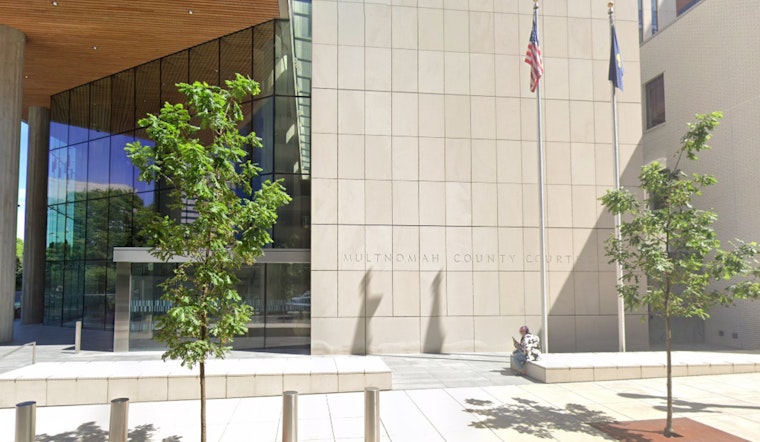
Oregon’s top law enforcement official is going after the founder of a once-prominent disaster relief nonprofit, accusing him of siphoning off nearly $837,000 that donors believed was headed to wildfire and tornado survivors.
The civil complaint, filed this week in Multnomah County Circuit Court, alleges that Cascade Relief Team’s founder diverted donations and grant money to personal use instead of victim aid. The Oregon Department of Justice is asking a judge to shut the nonprofit down and force its founder to pay the money back so it can be steered back toward the people it was meant to help.
The suit names Marc Brooks as the founder of Cascade Relief Team and claims he misused roughly $836,781.90 in grants and donations, according to reporting by KOIN. Oregon Attorney General Dan Rayfield is quoted saying, “Oregonians donated to this organization because they wanted to help their neighbors recover from wildfires and floods.” The lawsuit, filed Thursday in Multnomah County, seeks restitution along with other remedies.
Financial footprint and filings
Public financial records suggest Cascade Relief Team handled significant money during its peak. Tax filings and nonprofit databases show the group reported total revenue of $941,587 in 2021, with deposits of about $856,000 that same year. Those figures come from data compiled by Cause IQ, which links to Cascade Relief Team’s Form 990.
The attorney general’s complaint also asserts that the IRS revoked the nonprofit’s tax-exempt status and that Cascade Relief Team effectively ran out of money by late 2023. For donors who believed the organization was still a thriving relief effort, that financial collapse is likely to sting.
Alleged misuse of funds
The lawsuit, as described in KOIN’s reporting, sketches out a long list of alleged diversions. State prosecutors say roughly $271,000 went to personal payments, more than $116,000 was spent on travel with no clear connection to disaster relief, and about $67,000 covered items such as rent, child support, liquor, strip clubs and jewelry.
According to the complaint, Cascade Relief Team also solicited or received about $155,000 in loans that never made it into the nonprofit’s bank accounts. Another allegation is that roughly $17,000 from a grant earmarked for Kentucky tornado survivors was instead used to pay overdraft fees. The state is asking the court to order Brooks to repay the funds, dissolve the charity and permanently bar him from handling charitable money in the future.
Legal implications
In blunt terms, the civil suit asks the court to hit the reset button on Cascade Relief Team’s operations and leadership. The attorney general wants Brooks ordered to repay $836,781.90, wants the nonprofit permanently dissolved and wants Brooks prohibited from serving as an officer, director or manager of any charity going forward.
If a judge signs off on those requests, the state would try to use recovered money to make donors whole and cut off the organization’s ability to solicit or spend charitable contributions. The filing also seeks injunctive relief designed to help prevent similar alleged misuse of charitable funds, whether involving this group or any successor effort.
How the group built trust
Cascade Relief Team did not appear out of nowhere. It grew out of volunteer cleanup and supply distribution following Oregon’s severe 2020 wildfire season and became a familiar presence in communities such as Otis and Blue River. Earlier coverage and the nonprofit’s own filings describe large-scale volunteer cleanup projects and partnerships with local granges and relief organizations.
That on-the-ground presence helped Cascade Relief Team build credibility and pull in substantial donations. It also helps explain why state officials say the allegations land especially hard for survivors who leaned on the group in the chaos and slow grind of disaster recovery.
What happens next
The civil case will move forward in Multnomah County Circuit Court, where judges will weigh the attorney general’s requests and schedule hearings. While that process plays out, the attorney general’s office says it will continue its investigation and evaluate potential remedies for donors and disaster survivors who believed their money was going straight to relief, not personal expenses.





