

























































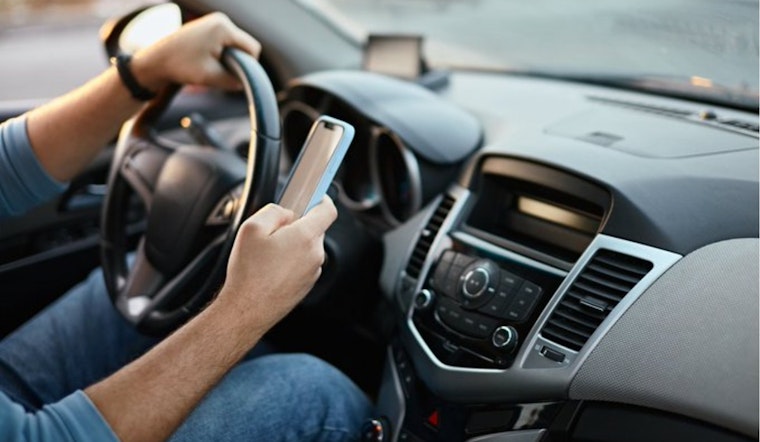
San José is cranking up the heat on distracted driving this April, rolling out electronic message signs on busy corridors and lining up focused traffic patrols after a recent run of deadly crashes. City leaders say the push is part of a long-running effort to drive down severe and fatal collisions under the city’s broader street-safety work. The campaign is timed to National Distracted Driving Awareness Month and tied to local Vision Zero goals.
The city’s Transportation Department rolled out the campaign on its social account and linked to a news release, reminding drivers that “April is Distracted Driving Awareness Month” and urging everyone to keep their phones out of reach while behind the wheel. In a post on the City of San José Department of Transportation's website, the department linked the new effort to recent local crashes and the city’s traffic safety plan.
April is Distracted Driving Awareness Month, but we should take distracted driving seriously year-round. Did you know that, in the U.S., distracted driving caused 3,208 fatalities in 2024? To learn more, read our press release at https://t.co/okS5oDXrmE. pic.twitter.com/gVcUuy3YWI
— City of San José Department of Transportation (@SanJoseDOT) April 3, 2026
What the city is doing
According to city transportation officials, San José will place electronic message signs at 14 locations along high-crash corridors, rotating short, blunt reminders such as “eyes up phones down,” “people crossing,” “slow down,” and “conduzca despacio.” The San José Police Department’s traffic enforcement unit will run several days of distracted-driving enforcement in April to back up the messaging with actual stops. “One fatal crash is too many,” Transportation Department Director John Ristow said. The specific messages and enforcement dates were first highlighted in a post via the City of San José.
Local numbers and recent crashes
City leaders are pointing to recent trends as the backdrop for the crackdown. The city’s news release notes that reported traffic fatalities dropped from 65 in 2022 to 41 in 2025, a substantial improvement that still fell under a harsh spotlight after a string of five fatal crashes in March. Those figures and crash details are outlined in a press release via the City of San José, which also ties the sign locations and extra patrols to San José’s designated priority safety corridors.
National picture and enforcement
San José is hardly alone in trying to get drivers to put the phone down. Distracted driving is a nationwide problem: according to NHTSA, 3,208 people were killed in 2024 in crashes involving a distracted driver. The agency is backing a national “Put the Phone Away or Pay” enforcement push in early April that pairs broad ad campaigns with concentrated stops and citations to curb phone use behind the wheel. Local officials say the national timing helps amplify San José’s own outreach and enforcement so the local effort feels like part of a much bigger safety push.
Vision Zero targets
San José adopted Vision Zero in 2015, committing to eliminating traffic deaths and serious injuries on city streets. Its 2025 Vision Zero Action Plan sets a target to reduce fatal and severe injuries 30% by 2030 and to eliminate them entirely by 2040. As outlined in San José’s 2025 Vision Zero Action Plan, the strategy leans on a mix of engineering changes, targeted enforcement and public education. The new message boards and distracted-driving patrols are a textbook example of that mix in action.
How drivers can avoid being part of the statistics
According to the CDC, distracted driving falls into three types: visual (eyes off the road), manual (hands off the wheel) and cognitive (mind off driving). Even small habits help: stowing phones out of reach, setting navigation before you shift into drive and pulling over for calls or texts cut the temptation and dramatically lower crash risk. The CDC also notes that distraction is often underreported, which is why the agency backs pairing education with enforcement when it comes to changing driver behavior.
Enforcement and what to expect
Drivers should expect to see portable message boards and occasional concentrated patrols in areas where crash data show the most danger, with officers issuing warnings or citations depending on what they observe. As noted by NHTSA, high-visibility enforcement has been shown to help reduce risky driving behaviors, and penalties for distracted driving vary by jurisdiction. City officials say the real goal is to get drivers to change habits so that crossings feel safer for everyone, rather than simply handing out more tickets.





