

























































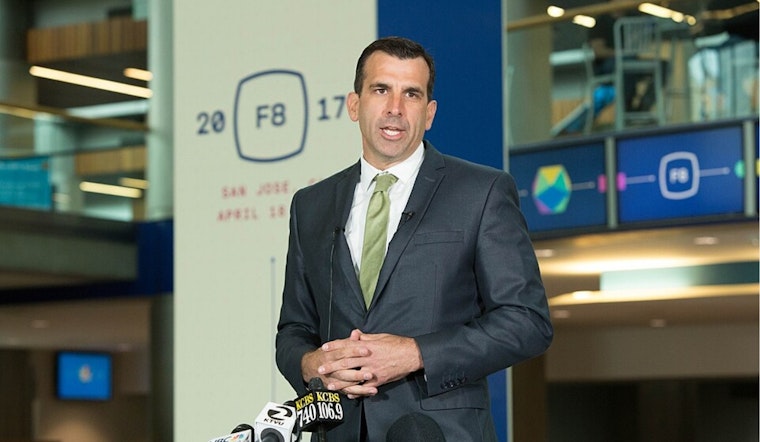
Rep. Sam Liccardo, the former San Jose mayor now serving in Congress, has suddenly found himself in the middle of a national brawl over who gets to write the rules for artificial intelligence after a deep-pocketed pro-AI super PAC backed his campaign and local watchdogs pushed back. The endorsement has set up a classic Silicon Valley showdown, with tech money on one side and child-safety and privacy advocates on the other in Liccardo’s home district, where both voters and venture capital carry serious weight. His office says he supports a federal framework that protects kids and boosts transparency while avoiding a confusing patchwork of 50 different state rules.
Local Groups Press Liccardo To Reject PAC Boost
A coalition of child-safety and tech-watchdog organizations sent a letter this month urging Liccardo and several other members of Congress to publicly reject an endorsement from the super PAC Leading the Future. Campaign finance records reviewed by the coalition show that neither Liccardo nor the Liccardo Victory Fund has accepted money from the PAC, a point they acknowledge even as they call for a stronger stance, according to San José Spotlight.
Who Is Bankrolling Leading The Future, And Why It Matters
Leading the Future launched in 2025 with support from several Silicon Valley heavy hitters, including OpenAI president Greg Brockman, venture capital firm Andreessen Horowitz and Palantir co-founder Joe Lonsdale, and quickly piled up a substantial war chest, according to The Washington Post. Subsequent reporting and Federal Election Commission filings have shown the PAC’s resources ballooning, with Axios reporting that it has raised more than $125 million and that affiliated entities hold tens of millions of dollars in cash on hand.
The group’s push for federal preemption of state AI rules is unfolding just as the White House issued an executive order last December directing federal agencies to review state artificial intelligence laws for potential conflicts with a national framework. That order has reshaped the political and legal landscape for lawmakers now weighing whether to give Washington the final say on AI regulation.
What Watchdogs Say They Are Afraid Of
The coalition behind last Wednesday's letter argues that sweeping federal preemption would wipe out hard-fought protections for children, content creators and everyday consumers, and would centralize regulatory power in Washington in a way they say tilts the playing field toward tech giants. According to the letter, signed by groups including the Tech Oversight Project, Common Cause and Oakland Privacy, lawmakers should refuse endorsements from Big Tech-linked PACs unless and until they secure far stronger guardrails in any federal AI law outlined in the coalition’s filing.
Liccardo Walks A Tightrope On AI Rules
Liccardo has been trying to stake out a middle lane between industry and its critics. In an interview with The Washington Post, he said Congress is moving too slowly to keep up with rapid advances in AI and that he is exploring legislation to create a bipartisan, appointed oversight body that would set national safety standards. Under the approach he is considering, federal preemption could be available for companies that meet those standards.
His spokesperson told San José Spotlight that Liccardo believes a sensible federal regulatory framework should be a precondition to federal preemption, and campaign filings show he has not taken any contributions from Leading the Future.
What Comes Next
Fellow California Rep. Ro Khanna has publicly defended Liccardo as principled and thoughtful, underscoring the political tightrope Bay Area Democrats are walking as they try to champion innovation without looking soft on safety concerns, as reported by SFGATE. Local activists, meanwhile, say they plan to keep pressing Liccardo for concrete guardrails or a clear public break with the AI super PAC. In the coming weeks, voters will be watching to see whether he leans toward industry-friendly federal rules or throws more weight behind state-level protections that have drawn broad support in California.



.jpg)