

























































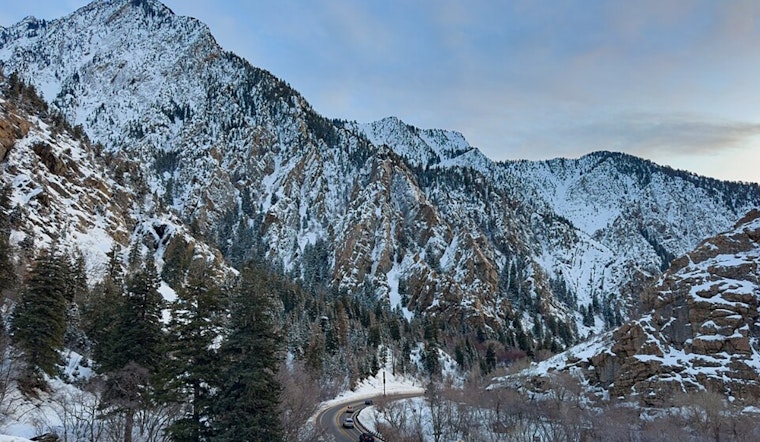
A backcountry skier high above Big Cottonwood Canyon near Brighton triggered a soft-slab avalanche in Wolverine Cirque and was swept several hundred yards down a steep, north-facing chute before managing to dig out. The skier escaped serious injury but did lose one ski, walking away from what could have been a much uglier spring slide.
What the Utah Avalanche Center Logged
According to an observation filed with the Utah Avalanche Center, the avalanche broke as a soft slab in a north-facing chute in Wolverine Cirque. Forecasters estimated a crown depth of about 16 inches and a path roughly 200 feet wide, with the debris running several hundred yards down the cirque.
The skier was reported to have been carried the length of that path before resurfacing, buried up to the stomach, and missing one ski, but otherwise able to self-extricate. No additional injuries or victims were reported.
Forecast: Moderate Danger and Wind-Drifted Slabs
The center’s Salt Lake area forecast had called for MODERATE avalanche danger on mid and upper elevation slopes, specifically highlighting pockets of wind-drifted new snow as the main concern. In that forecast, the Utah Avalanche Center warned, “Timing is everything: move off of and out from under steep slopes once the snow becomes wet and unsupportable,” reminding skiers and riders that spring sunshine can quickly turn firm surfaces into slush and bump up the risk of wet-snow slides.
Local station ABC4 Utah aired a video credited to the Utah Avalanche Center and reported that the slide was tied to wind-drifted snow lingering from last week’s storm. ABC4 also noted that climbing daytime temperatures were making the snowpack increasingly prone to wet-snow activity.
Another Chapter in a Busy Avalanche Season
This Wolverine Cirque close call is the latest in a run of avalanche incidents in the Wasatch this season, including a deadly February slide that shut down Big Cottonwood Canyon and triggered a large search and rescue response. That fatal event, recounted in Avalanche Slams Big Cottonwood Canyon, prompted renewed warnings from avalanche professionals and local officials.
Forecasters and experienced guides continue to urge backcountry users to check daily avalanche forecasts, travel conservatively, and always carry a beacon, probe, and shovel. They also stress watching for classic red flags such as cracking, collapsing, rollerballs, and pinwheels, and being willing to change aspects or call it a day once the surface snow starts turning wet and unstable.



