

























































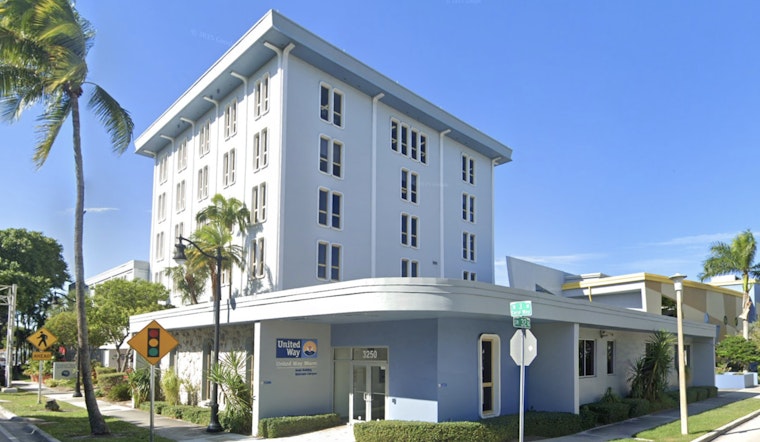
In a county where rent and grocery bills keep climbing faster than most paychecks, UpSkill Miami, the workforce arm of United Way Miami, has been quietly turning short trainings into steady jobs across Miami-Dade. Launched with employer partners and local colleges, the initiative says it has already helped hundreds of residents land stable work and is preparing to scale up again. For local families juggling childcare, housing and transportation, those placements can be the difference between constantly scrambling and finally getting a bit of breathing room.
How UpSkill Miami Connects Training To Employers
According to United Way Miami, the program bundles short, sector-focused training cohorts with coaching, stipends and direct employer pipelines in aviation, healthcare, education, transportation and technology. United Way lists partners such as Baptist Health, Jackson Health System, Florida Power & Light and Goodwill, employers that have agreed to bring program graduates into apprenticeships and entry-level roles. Organizers say wraparound services including transportation help, tuition support and on-the-job mentorship are built in to keep people in the program and move completion and placement rates higher.
Why United Way Is Betting On Skills
In an op-ed for The Miami Times, United Way Miami CEO Symeria Hudson described UpSkill as a community response to persistent financial strain and wrote that the fund aims to place more than 500 additional people into high-demand jobs by the end of 2027. Hudson pointed to trainee stories, including a participant named Enocch who used the program to move from unstable work into a steady job, as evidence that the model can change the trajectory of residents who have been stuck on the margins of the labor market.
The Cost Of Getting By In Miami-Dade
United Way’s ALICE research lays out the stakes in blunt numbers. The group reports that 54% of Miami-Dade households fall below the ALICE threshold, and that the Household Survival Budget for a two-adult, two-child family is about $89,844 annually, rising to roughly $103,764 if both children need childcare. Those figures come from United Way Miami’s 2025 ALICE report, which the organization cites as a key rationale for investing in workforce efforts that raise earnings rather than relying only on short-term aid. Advocates argue that closing that gap requires both better pay and faster routes into quality jobs that can actually hit those survival-budget levels.
Building A Teacher Pipeline
One piece of UpSkill’s strategy has been to attack the local teacher shortage through Achieve Miami’s Teacher Accelerator Program, or TAP. Achieve Miami’s recent impact reporting shows about 151 teacher candidates trained and roughly 101 of them now teaching in Miami-Dade classrooms, a sign that the accelerator is creating a quicker pathway into certified roles. State and nonprofit funding has helped build out TAP, and United Way’s partnerships are intended to expand that pipeline so districts can fill stubborn vacancies more quickly.
Industry Partners Are Already Hiring
UpSkill has also moved cohorts into aviation and energy fields. United Way partnered with the Barrington Irving Technical Training School to launch aviation cohorts, a development covered by local TV outlets. The initiative has added programs with Florida Power & Light and Goodwill for pre-apprenticeships and cybersecurity training, and local reporting indicates that more than 1,100 participants have moved into quality jobs since UpSkill’s relaunch. Those employer commitments serve as the clearest path to immediate placements once participants finish training.
What Comes Next
Program leaders say keeping the momentum will require steady employer hiring, reliable funding for wraparound supports like childcare and transportation, and patience for longer lead times in fields that require certifications. Local coverage and nonprofit reports suggest the early results are encouraging, but scaling to meet the county’s ALICE gap will mean placing hundreds of residents each year, not just dozens. Advocates argue that pairing training with guaranteed interviews or apprenticeship slots remains one of the most dependable ways to turn new skills into incomes that actually meet the survival budget.
“We are igniting hope, purpose and pathways to prosperity,” Hudson wrote in her piece for The Miami Times. The next test for UpSkill will be whether that optimism, along with ongoing employer buy-in, can show up as measurable income gains for the thousands of Miami-Dade residents who still fall short of what it takes to get by.




