

























































Covington, parish leaders and real estate pros were not in the mood for vague promises at a Northshore economic summit on Tuesday, bluntly asking, "Where is our action plan?" The University of New Orleans hosted meeting laid out big-ticket investment numbers and serious housing shortfalls, but speakers warned that planning and infrastructure are still trailing the breakneck pace of development.
The "2026 Dr. Ivan Miestchovich Economic Outlook & Real Estate Forecast for the Northshore Region" pulled roughly a dozen speakers to the River Mill in Covington, according to the University of New Orleans Institute for Economic Development & Real Estate Research. The institute publishes the annual New Orleans & Northshore Real Estate Market Analysis and uses the seminar to walk industry and government leaders through its latest housing and market data.
Speakers included St. Tammany Parish President Mike Cooper, Tangipahoa Parish President Robbie Miller and Washington Parish President Ryan Seal, highlighting the Northshore's population growth and development potential, as reported by NOLA.com. Russell Richardson of St. Tammany Parish Economic Development told the crowd that about $15 billion of investment is headed to the parish and region and that five or six major projects over roughly the last seven months represent about 1,500 direct jobs, per that reporting. Panelists and local officials repeatedly pointed to infrastructure and permitting as bottlenecks that keep interest from turning into actual housing and new employers.
The seminar's agenda, which included panels on the economy plus residential and commercial real estate, is listed online, and the River Mill venue hosted the Northshore session on Tuesday morning, according to an event listing on Eventbrite. Brokers, developers and parish officials in attendance said they were all hunting for the same thing: one clear, actionable roadmap that shows how to deliver housing and support services for the workers those investments are supposed to bring in.
Housing Shortfall Is Urgent
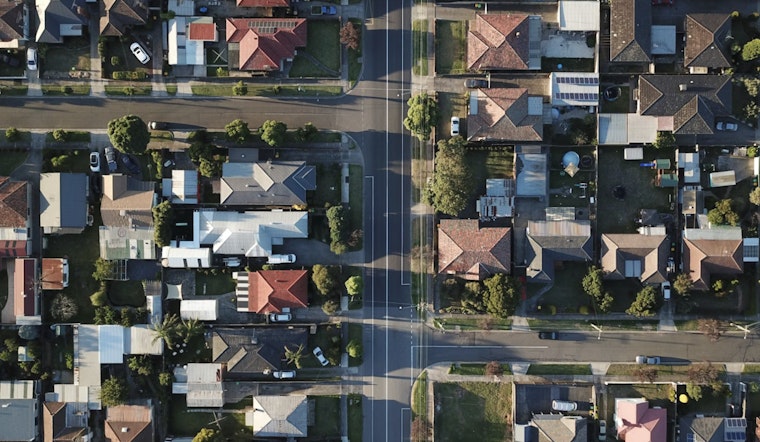
A housing study presented at the summit found St. Tammany needs to build between about 11,500 and 17,300 new homes by 2030 to keep up with growth and estimated the parish's population could grow by roughly 15,000 by 2030, according to NOLA.com. Northshore Area Board of Realtors' Leslie Victory pressed officials on the next step, asking where the action plan is for using that housing study going forward. Speakers warned that without zoning updates and targeted infrastructure funding, the region risks heavier congestion, higher housing costs and missed chances to turn corporate interest into actual homes.
Regional Numbers Don't Always Match
Leaders across the Northshore have been sounding similar alarms, even as they publish slightly different project tallies. The Northshore Business Council's February recap lists dozens of active projects across St. Tammany, Tangipahoa and Washington parishes and underlines workforce and infrastructure needs, while St. Tammany Parish Development District minutes note a new three-year strategic plan in draft and efforts to boost site readiness and permitting certainty. Taken together, those documents highlight the same problem: local officials have data and momentum, but turning plans into permits, roads and housing will demand coordinated funding and real timelines.
Speakers left the River Mill calling on parish and city governments to translate the seminar's data into an executable Northshore action plan that pairs housing targets with zoning changes, road funding and workforce pipelines. The University of New Orleans market analysis provides the raw numbers to build that plan, but local leaders and business groups say it will take a sustained regional push to move from spreadsheets to neighborhoods and job sites, according to the University of New Orleans Institute for Economic Development & Real Estate Research.





