

























































Indianapolis is taking its clinician-led mental health crisis response citywide, expanding coverage across Marion County and putting trained clinicians and peer specialists on call in more neighborhoods around the clock. The move builds on pilot work downtown and in select districts and rolls out alongside free Mental Health Awareness Month events at community centers this May. City leaders say the goal is faster care for people in crisis and fewer situations that land in the lap of police officers who are not mental health experts.
What’s Changing And How It Will Work
According to WFYI, the Clinician-Led Community Response program launched in 2023 to send licensed behavioral health professionals to 911 calls that are screened as safe for a non-police response. WFYI reports that the effort is part of a unified response system that routes calls to the most appropriate team, whether that is police, EMS, the Mobile Crisis Assistance Team (MCAT) or the clinician-led units, with an eye toward getting people the right kind of help in the moment.
Countywide Expansion And Community Events
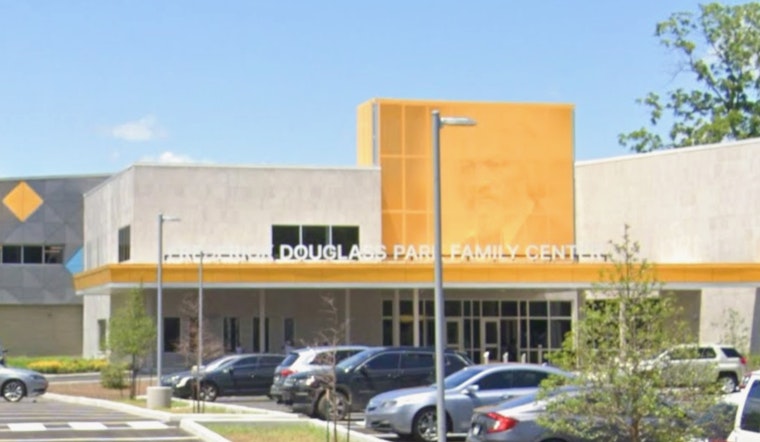
City officials say the Clinician-Led Community Response will now operate countywide with 24/7 mobile support from trained clinicians and peer specialists, according to WISH-TV. The city’s announcement, summarized by WISH-TV, also highlights free Mental Health Awareness Month events, including a youth mental health forum on May 28 at the Frederick Douglass Park Family Center at 1616 E. 25th St., as listed by Indy Parks. Suicide prevention and overdose reversal sessions are also planned at The Bridge Indy at 959 N. Holmes Ave., according to The Bridge Indy.
How Teams Operate On The Street
WRTV reports that the downtown clinician teams moved to 24/7 coverage earlier this year and began responding around the clock to non-violent calls on January 1. Staff told WRTV they have seen a steady increase in requests for help. “We’re educated and we know what we’re doing,” Director of Operations Andrea Brown told the station, explaining that clinicians and peer specialists focus on de-escalating tense situations and connecting people to services instead of defaulting to a law enforcement response.
Why Officials Say The Expansion Matters
Mirror Indy notes that the program handled hundreds of crisis responses in 2024 and that the city has been gradually pushing coverage beyond downtown to reach more neighborhoods. Advocates and officials have pointed to those numbers, along with high-profile incidents and climbing call volumes, as fuel for expanding clinician-led options.
How To Get Help
For now, the front door has not changed. If you or someone nearby is in crisis, callers are still asked to dial 911 for immediate emergencies, and dispatchers decide which responder is safest to send, according to WFYI. Under the unified plan, dispatchers can route calls that appear safe for a non-police response to Clinician-Led Community Response teams, while MCAT or police will take the lead when scene safety is unclear or there is a threat.
What’s Next
Officials say the countywide rollout is a beginning, not a finish line, and that they will monitor staffing levels and call volume as the teams reach new corners of Marion County. “There are people that would show up if they made the call,” clinician Lee Ivy told WRTV, emphasizing that the mission is connection and care instead of punishment. City leaders are urging residents to check local listings for Mental Health Awareness Month events or contact neighborhood centers directly for details.





