

























































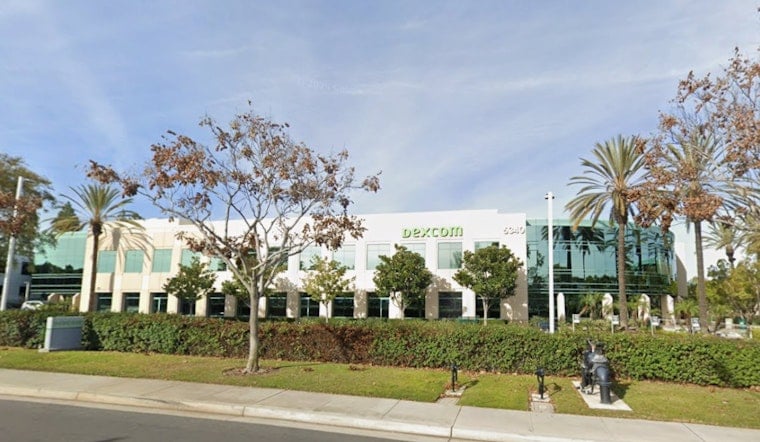
Dexcom is suddenly the San Diego company everyone from Wall Street to City Hall is watching. At its latest investor day, the glucose-monitoring giant laid out a packed to-do list of new products and insurance wins that, if it all actually happens, could send a serious wave of jobs, contracts and local spending across the region over the rest of the decade.
Local officials and analysts say this is not pocket change. Dexcom has already poured major dollars into its San Diego base, and if the company comes close to hitting its own targets, the plan could steer more than $800 million into the region through 2030, with recent investments alone topping half a billion dollars. As reported by the San Diego Union-Tribune, that math is a big part of the argument for keeping product engineering and manufacturing anchored here instead of somewhere cheaper.
Investor day and governance moves
At its May investor day, Dexcom rolled out a long-range roadmap and paired it with a governance makeover tied to its engagement with activist investor Elliott Management. In a press release via Business Wire, the company said it plans to add two independent directors and expand a key board committee’s responsibilities so it more directly oversees operations and quality.
The event also came with fresh financial targets and a clearer capital-allocation script that investors zeroed in on, including a new share-repurchase authorization and explicit commitments to keep funding R&D while pushing margins higher through the end of the decade.
Numbers: revenue, users and coverage
Dexcom wrapped 2025 with multi‑billion dollar sales and told investors it is aiming for more of the same double‑digit‑ish growth going forward. The company reported roughly $4.6 billion in revenue last year and guided to about $5.16–$5.25 billion for 2026, pointing to steady growth in users and broader commercial coverage that could open access to millions more people.
Those figures, along with the insurance and user-growth assumptions behind them, were laid out on Dexcom’s Q4 and full‑year 2025 earnings call, according to the published transcript. Motley Fool reviewed the call along with the slide deck Dexcom used to walk investors through its multiyear plan.
Product bets: G8, trials and timing
Investor day was also Dexcom’s coming‑out party for its next‑generation sensor platform, the G8. The device runs on a new chip and software that the company says will learn from each user and adapt in real time. Coverage of the event noted that Dexcom is positioning the G8 as roughly half the size of its current sensor and that executives discussed plans to move toward regulatory submission with a late‑2027 or early‑2028 launch window in mind. Product and timing details were reported by HLTH.
On top of that, Dexcom is finishing a large clinical program designed to show benefits for people with type 2 diabetes who are not on insulin. Management told investors it expects topline results around the middle of this year and plans to present the data at the American Diabetes Association scientific sessions in New Orleans. The ADA’s program and corporate symposia schedule confirms conference activity in early June, including June 6 programming during the sessions. Meeting timing is detailed in ADA Scientific Sessions materials.
What this means for San Diego
Local economic development officials say this kind of Dexcom‑style growth at a major cluster company can punch above its weight in the regional economy, driving more lab and engineering jobs, more contract work for local firms and even more suppliers choosing to set up nearby. The San Diego Regional EDC points out that life sciences anchors like Dexcom are central to the region’s innovation ecosystem and that new product‑driven investment often multiplies into additional local hiring and vendor spending. For broader context on that dynamic, see the San Diego Regional EDC life‑sciences overview.
How big the windfall ultimately gets will depend on a list of moving parts: regulatory clearances, a Medicare coverage decision and how quickly people with type 2 diabetes actually adopt the technology. Dexcom has told investors it is expecting a Medicare coverage decision by the end of 2026, one that could materially expand the number of beneficiaries who qualify. That potential ruling is a major piece of the market math behind the local investment projections. The San Diego Union-Tribune has detailed how the company’s projections translate into local dollars and jobs.
Why now
This week pulled the larger story into focus because Dexcom’s investor day, its governance tweaks with Elliott and its updated financial targets all landed at the same time. Taken together, they sharpened the company’s public timetable and made the economic projections for San Diego feel a lot more concrete than vague future‑growth talk.
Market coverage of the event captured how quickly attention shifted to both Dexcom’s product roadmap and the regional stakes. Investing.com summarized the stock’s move around the event and the investor commentary swirling around it.
For San Diego, everything now comes down to execution. The big questions are whether the G8 and the type 2 data deliver as promised, whether CMS and other payors really extend access at scale and whether Dexcom keeps the bulk of its engineering and manufacturing work rooted in the region. If the company hits its marks, local planners say the economic upside could be substantial. If it stumbles, San Diego gets a reminder of how quickly concentrated growth can fade once the momentum breaks.





