

























































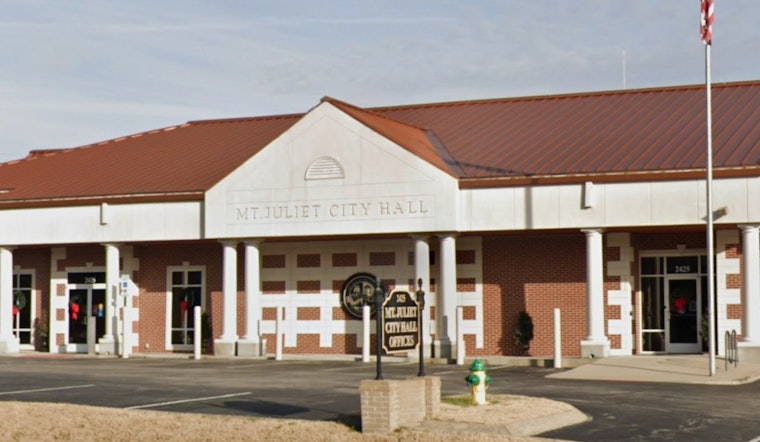
Mt. Juliet commissioners have signed off on starting formal negotiations with Mission Sellars on a plan to remake roughly eight acres of city-owned land between North Mt. Juliet Road and East Hill Street. After years of talking about a true downtown, the city is now stepping into the more serious phase of negotiations that could reshape the block around City Hall.
As reported by WKRN, commissioners voted Monday to direct staff to open talks with Mission Sellars and set a roughly 60-day window to reach terms. If no agreement is reached in that period, the city will pivot to negotiations with the alternate finalist, Imagine One. The motion, sponsored by District 4 Commissioner Jennifer Milele, appeared on the board's May 11 agenda, according to the City of Mt. Juliet.
Site, RFP, and City Goals
The project centers on an approximately eight-acre assemblage near North Mt. Juliet Road, East Hill Street, and Clemmons Road that the city assembled for a new downtown district. According to the City of Mt. Juliet, the administration is seeking a pedestrian-oriented "town center" with mixed retail, residential, and civic uses, plus public spaces designed to host farmers' markets and community events.
Mission Sellars' Pitch: Markets and a CBID
In earlier public sessions, Mission Sellars representative John Wageman told commissioners the team's revised offer emphasizes a community hub around City Hall with farmers markets, shop-local events, and programmed public space. Wageman said the team would explore a community-benefits district to fund long-term maintenance. City meeting minutes show Mission Sellars revised its bid and that the other finalist, Imagine One, also adjusted its proposal while stressing public input through charrettes; those details are recorded in the city's meeting packet.
Imagine One's Approach and Mayoral Caution
Imagine One's concept leans toward more open outdoor space, including a public square and park area that could host outdoor movies and large events, and the firm's representatives stressed community engagement in shaping design, according to WKRN. Mayor James Maness said he was cautious about long-term obligations and encouraged exploring funding structures that limit the burden on taxpayers while still delivering public amenities.
Next Steps: Negotiations and Timing
The commission directed the city manager to return with negotiated terms for the board's review and gave staff a roughly two-month window to reach an agreement before moving to the alternate developer. Officials caution that there is no firm construction timeline and that any downtown buildout would likely take several years. For now, the next visible milestone will be the staff's report back to the commission and any potential public meetings.
Why This Matters
Mt. Juliet is one of the fastest-growing cities in Tennessee, and leaders have recently tightened review of density, including a one-year pause on some multifamily approvals. Those decisions frame how the city evaluates large downtown projects and help explain why commissioners are weighing both the economic upside and the long-term upkeep costs as they choose a development partner.
Commissioners say they want a downtown that serves residents, supports local businesses, and keeps ongoing costs off taxpayers. Over the coming weeks, the city will parse offers, gather more public input, and return to the commission with recommended terms for a final vote.





