

























































Federal agents now say the New Year's Day attack that turned Bourbon Street into a mass-casualty crime scene has a digital trail stretching into Missouri, where videos from a Sweet Springs man's public social media accounts have been linked to the suspect's alleged bomb-making, according to local reporting. The disclosure, reported Tuesday, raises sharp questions about how openly posted footage can be recycled into a violent plot and then unwound later by investigators.
How the FBI Says the Attack Unfolded
Investigators say 42-year-old Shamsud-Din Jabbar drove a rented pickup into crowds on Bourbon Street on Jan. 1, 2025, killing 14 people and wounding dozens more, according to FBI New Orleans. The FBI's timeline says bomb technicians later recovered two improvised explosive devices that had been hidden in coolers. One device was initially left at Bourbon and St. Peter Street and was later found at Bourbon and Orleans, while a second device was discovered at Bourbon and Toulouse. Agents also reported seizing explosive materials from a rental home on Mandeville Street, which they say was tied to Jabbar.
Missouri Videos And an Arrest, According To Local Station
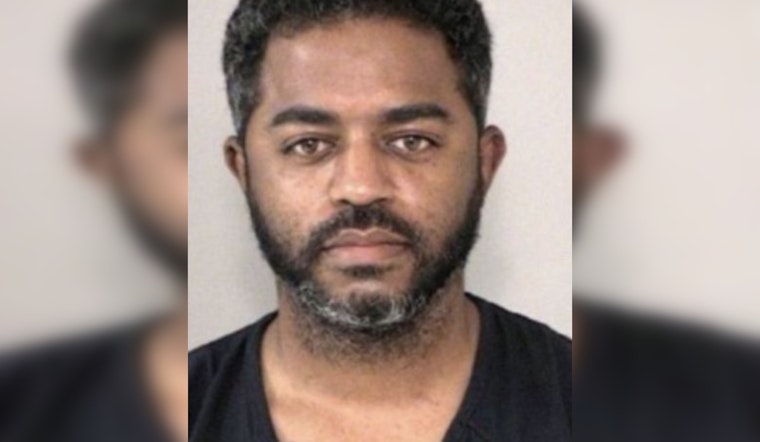
Baton Rouge station WBRZ reports that the FBI pulled video clips from public accounts linked to a man in Sweet Springs, Missouri, and that Jabbar allegedly used those clips while assembling improvised devices. WBRZ identifies the man as Jordan Derrick and says he was arrested in Sweet Springs on allegations that include manufacturing explosives, possessing an unregistered destructive device and distributing information about making explosives.
Why Online Footage Is Now Central To The Case
Investigators have said Jabbar posted videos expressing support for the Islamic State while traveling to New Orleans and that he tested recording with Meta smart glasses during earlier visits to the French Quarter, according to federal releases and reporting on the case. Those details underline how central digital forensics have become to the investigation. The newly reported link to another user's clips, if it holds up in court, would show how publicly available video can be copied, repackaged and weaponized by an attacker, while also muddying questions of authorship and intent for investigators, according to the Associated Press.
The Legal Tightrope Around Explosive How-To Content
Federal law lays out a specific definition of "destructive devices" and regulates how they can be manufactured and possessed, and other statutes make it a crime to share detailed instructions for making explosives. Those legal frameworks are expected to guide any prosecution that grows out of the Missouri arrest and the New Orleans attack, as outlined in federal code and summarized by Cornell Law School. In past cases, defendants have faced charges for distributing bomb-making instructions, including instances highlighted by PBS NewsHour.
What To Watch Next In Louisiana And Missouri
Federal and local prosecutors in both Missouri and Louisiana will be key to watch for formal charges and court filings as the investigation moves from fieldwork to the courtroom. Investigators are still combing through digital material and continue to ask anyone who has photos or video from the French Quarter between Dec. 31 and Jan. 1 to share those with authorities. For context on earlier stages of the probe and prior FBI briefings, see Hoodline's breakdown of earlier FBI updates, and expect further details as court records and official statements become public.





