

























































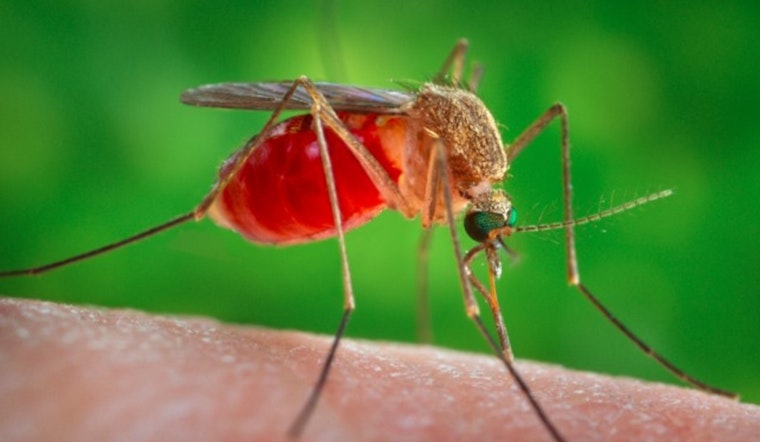
Florida could be in for a different kind of tech invasion. Google has asked federal regulators for permission to release tens of millions of bacteria-treated male mosquitoes in parts of the state, in an experimental effort to knock down populations of disease-carrying bugs.
The company’s application lays out a plan to release up to 16 million male Culex quinquefasciatus mosquitoes in Florida in year one and another 16 million in year two, for a total of 32 million insects, with similar trials also proposed in California. The request has already rattled some residents and sparked quick local media coverage, and it would be subject to oversight by federal and state health and pesticide regulators.
According to a notice in the Federal Register, Google LLC’s Experimental Use Permit 92643-EUP-R (docket EPA-HQ-OPP-2025-3951) seeks authorization to release Wolbachia pipientis wAlbB in live adult male Culex quinquefasciatus. The filing proposes releases of up to 16,000,000 DQB males in Florida in year one and 16,000,000 in year two, with data from the trial intended to support a future FIFRA Section 3 registration. The notice, recorded as received on June 27, 2025, opens a public comment period running through June 5, 2026, according to the Federal Register. Tampa station WTSP aired a local report on the filing on May 29, 2026.
How the Wolbachia method works
The strategy hinges on a naturally occurring bacterium called Wolbachia. Scientists introduce Wolbachia into male mosquitoes so that when those males mate with wild females, the eggs do not hatch. Over time, that can sharply reduce populations of the target mosquito species.
The Centers for Disease Control and Prevention notes that the approach is designed to affect specific mosquito species and that only male mosquitoes are released. Male mosquitoes do not bite, a point public health officials tend to repeat often. Any release first requires Environmental Protection Agency review, according to the CDC. Scientific reviews have found that Wolbachia programs have produced large mosquito declines in some trial sites, although results vary depending on the species and local ecology.
Florida's testing history
Florida is no stranger to experimental mosquito control. Companies including Verily, Alphabet/Google’s life sciences arm, and Oxitec have previously run Wolbachia-based or genetically engineered mosquito suppression trials in parts of the state and in the Keys. Those efforts brought mixed results and sparked loud community debate, as detailed by the Miami Herald.
EPA guidance and past Experimental Use Permit notices outline those earlier approvals and the monitoring rules attached to them, and the agency maintains public pages summarizing the science behind these biocontrol tools. Residents voicing concerns this week are pointing back to that track record as they try to sort out what a new round of releases might mean for their neighborhoods.
What comes next
Public comments on Google’s EUP application are open through June 5, 2026. The Federal Register notice and the EPA docket (EPA-HQ-OPP-2025-3951) spell out how to weigh in through Regulations.gov.
Once the comment period closes and the agency completes its review, the EPA will decide whether to issue an Experimental Use Permit and, if so, what conditions to attach, according to the Federal Register. Even with an EUP in hand, local mosquito control districts and state agencies would still need to sign off before any field tests begin in their areas.
What residents should know
Experts stress that only male mosquitoes would be released, and males do not bite. That reassurance features prominently in guidance from public health officials and the CDC.
At the same time, past EPA experimental permits for mosquito projects have typically included monitoring requirements, buffer zones, and stop-release triggers, all intended to limit environmental risks. Officials say they will be watching the EPA docket and updates from local mosquito control programs as the process moves forward, while residents weigh whether millions of lab-treated males are a welcome weapon against disease or just one more thing to swat at.




