

























































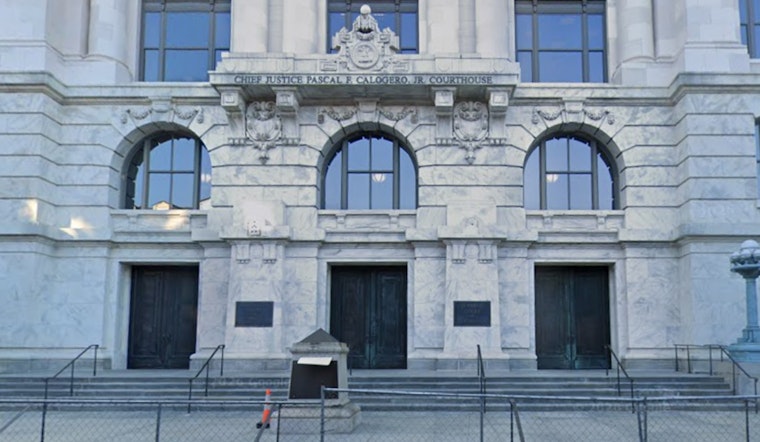
Former Jefferson Parish councilman Mark Spears Jr., now serving as a justice of the peace, spent more than two hours on the hot seat Monday in New Orleans, fielding questions from the Judiciary Commission about his social media habits. Commissioners dug into his Instagram posts and account tweaks that critics say blurred the line between his elected position and his private business ventures. When it was over, there was no immediate word on punishment, and the case was left hanging.
What the commission heard
Spears acknowledged conduct the panel labeled "public and persistent" and admitted he used the prestige of his judicial office to promote both his private law practice and his work as a sports agent, according to the hearing record, as reported by NOLA. Commissioners focused on an Instagram handle change, noting that at one point his account used the name "judge.markspears" and that he did not fix it until 2026. They also pointed out he had already received a caution from the commission in 2022. Commissioner David Ardoin told colleagues Spears "disregarded every suggestion" from the panel, as members weighed options that ranged from probation to recommending a suspension to the Louisiana Supreme Court.
What he told the commission
Spears, for his part, told the panel that some of his choices online were driven by how social media works, including verification rules. "I was trying to keep the blue check at the time," he said, according to NOLA. State appellate Judge Sharon Wilson voiced concern that leaving Spears in office could open the door to more trouble, while commission member John Keeling warned that "justice of the peace Spears needs to know his social media activity is being watched." Those comments framed a larger debate inside the room about whether his posts crossed the line into misconduct that should draw formal sanctions.
How discipline could play out
The Judiciary Commission of Louisiana has a broad menu of responses at its disposal, from a quiet reminder or a public caution to filing a formal Notice of Hearing and recommending public discipline to the state’s high court, according to its overview. The Judiciary Commission of Louisiana notes that recommendations to the Supreme Court can include admonishment, probation, or suspension, and that the justices review written records and transcribed testimony before ruling. In other words, the commission can investigate and suggest a penalty, but only the Supreme Court can actually suspend or remove a judicial officer.
Why this is public now
This kind of proceeding has not always been so easy for the public to watch. The hearing was open in part because the Louisiana Supreme Court approved transparency changes that took effect May 1, allowing commission hearings to be public once a hearing is formally set. Louisiana Judiciary reported that the new rules followed pressure from local news outlets and lawmakers who had been pushing for more daylight on judicial misconduct cases. For residents who turn to justice-of-the-peace courts for small claims, traffic issues, and other minor disputes, the case serves as a reminder that a judge’s public behavior can shape confidence in those everyday proceedings.
What's next
For now, the commission has kept its options open. It can pursue a non-disciplinary resolution or send a recommendation to the Louisiana Supreme Court for further action. Spears, who first won an unexpired justice of the peace seat in 2019, has previously defended his public conduct in other dust-ups over his various roles and activities. Local attorneys and court watchers say whatever the commission and Supreme Court ultimately decide could ripple beyond Spears, influencing how other magistrates and small-claims judges approach self-promotion and personal branding online.
Legal implications
If the commission decides to file a recommendation, the Louisiana Supreme Court can accept it, tweak it, or toss it, and it retains the power to impose sanctions up to and including suspension, under the commission’s rules. Judiciary Commission materials explain that the court bases its decision on the commission’s record and the transcribed testimony from the proceedings, so any formal discipline would rest squarely on the evidence assembled in this case. The whole saga is a pointed reminder that even local judges are governed by statewide standards designed to protect impartiality and keep public trust in the court system intact.





