

























































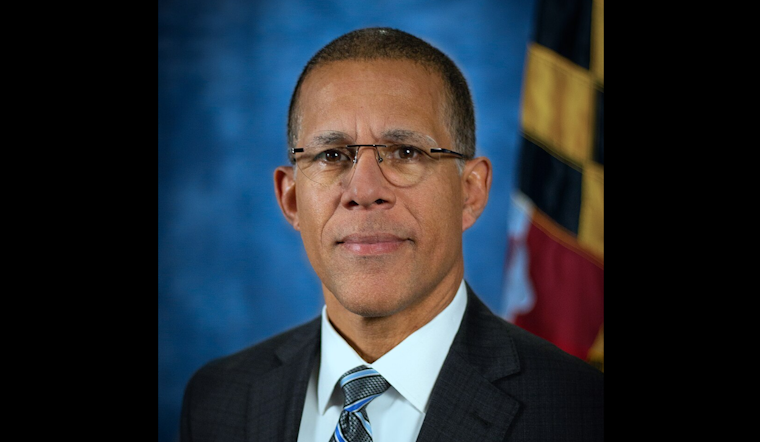
Maryland Attorney General Anthony G. Brown has hauled MV Realty into court, accusing the company of turning quick cash offers into decades of financial handcuffs for homeowners across the state.
In charges filed May 30, 2026, Brown's office alleges that MV Realty and several of its executives ran an illegal consumer lending scheme that attached long-term agreements to homeowners' property titles. According to the complaint, the company dangled relatively small, up-front cash payments in exchange for so called "Homeowner Benefit Agreements" that acted like liens and could follow families for up to 40 years. Officials say the case could affect homeowners statewide and is part of a broader push to clamp down on similar contracts.
According to WCBM, Brown's Consumer Protection Division named MV Realty PBC, LLC, MV Realty of Maryland LLC, and MV Brokerage of Maryland LLC in the action, and also charged corporate officers Antony Mitchell, the CEO, David L. Manchester, the COO, and Amanda J. Zachman. The complaint says MV Realty advanced modest sums that the state characterizes as loans repayable with steep interest, then recorded the agreements in land records in a way that effectively turned them into liens. The filing notes that Maryland law generally bars lenders from recording liens to secure loans of less than $4,000.
State regulators have described the deals as long term exclusive listing contracts dressed up as "loan alternatives." In practice, homeowners reportedly received a one time payment and handed over 40 year exclusive listing rights, along with memoranda recorded in property records that could require them to pay at least 3 percent of a home's value if they sold through another broker, according to Inman. Consumer advocates and local reports have found that the agreements may also bind heirs and include fees that were not clearly disclosed to homeowners.
"A person’s home is often the most valuable asset they will pass down to their loved ones. MV Realty trapped over one thousand Maryland homeowners and their heirs in costly and unlawful 40-year agreements that threatened that dream," Brown said, per WCBM. The filing asks the Office of Administrative Hearings to void the homeowner benefit agreements, remove related liens from property records, and return money to consumers, along with statutory civil penalties and costs. A hearing is set to begin on Sept. 8, 2026.
A nationwide crackdown
Maryland is not the first state to go after MV Realty. Its case lands on the heels of a series of enforcement actions in other parts of the country targeting the same program.
In California, Attorney General Rob Bonta announced a settlement on May 27, 2026, that voids the contracts, requires MV Realty to terminate its recorded liens, and provides restitution to affected homeowners, as detailed by the California Department of Justice. In Pennsylvania, the attorney general reached a separate agreement in April that will wipe out more than 1,300 recorded memoranda tied to the program and deliver consumer restitution, according to the Pennsylvania Office of Attorney General.
What homeowners can do
For Maryland homeowners who discover they have one of these agreements hanging over their property, state officials say step one is not to panic, and step two is to gather paperwork.
If you signed a homeowner benefit agreement or found a memorandum recorded against your deed, keep the agreement and all closing documents together and contact the Maryland Office of the Attorney General's Consumer Protection Division. You can call 410‑528‑8662, file a complaint online, or write to 200 St. Paul Place, 16th Floor, Baltimore, MD 21202. Filing instructions and complaint forms are available from the Maryland Office of the Attorney General.
MV Realty has been under similar scrutiny elsewhere and previously said it paused entering new homeowner agreements while it reviewed its contracts, a move reported by Inman. With the Sept. 8 administrative hearing on the calendar, Maryland's case will be closely watched as part of a broader effort by state authorities to clear property titles and recover money for affected consumers.





.jpg)