

























































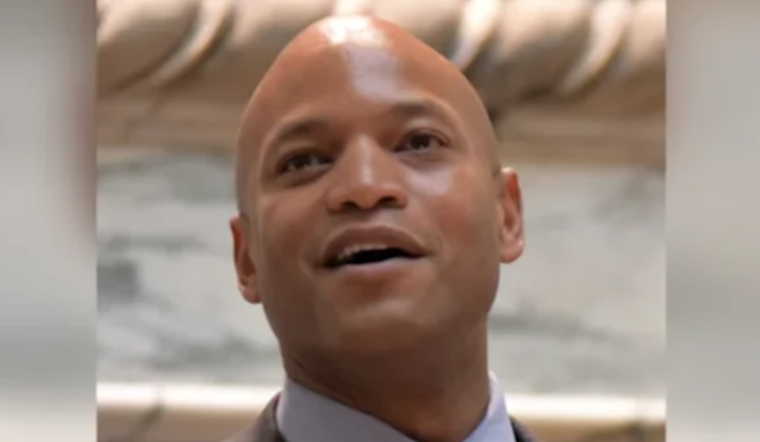
Gov. Wes Moore is telling Maryland’s juvenile justice system to gear up for a high‑stakes summer, ordering a new statewide safety strategy designed to keep teens busy, safe, and out of trouble. The Maryland Department of Juvenile Services has been tasked with building a coordinated plan to keep young people engaged and to cut juvenile‑involved crime, while working across state agencies, spotting holes in summer programming, and delivering a status report by June 2026. County leaders and community providers are already eyeing how the blueprint will juggle prevention, services, and enforcement.
In a written directive to DJS Secretary Betsy Fox Tolentino, Moore outlined priorities that include prevention and intervention for high‑risk youth, expanded education and workforce programs, targeted steps for repeat juvenile offenders, and new ways to steer 16‑ to 21‑year‑olds toward support services, according to CBS Baltimore. The directive also presses the agency to craft joint responses to neighborhood complaints about illegal street‑car rallies and teen takeovers and to recommend any legislative fixes needed to plug holes in state law. “Public safety continues to be my top priority,” Moore wrote.
What DJS Will Build On
The department is not starting from scratch. It already runs initiatives such as Safer Stronger Together and the THRIVE Academy, which it cites as part of its gun‑violence reduction and youth engagement efforts. Those existing partnerships with community groups and local agencies are the launchpad DJS says it will use to grow its summer slate, according to the Maryland Department of Juvenile Services.
What The Numbers Say
Moore has been quick to point to crime trends that he says are moving in the right direction. Since he took office, homicides have fallen about 44% and nonfatal shootings about 40%, and this year’s homicides are down more than 25% compared with last year, while juvenile homicide victims are down nearly 25%, per CBS Baltimore. State and local officials credit a mix of enforcement, community investment, and prevention programs for those drops, and the new summer push is meant to lean on all three.
A Policy Tightrope
The timing is no accident. The order arrives just days after Moore signed the Youth Charging Reform Act and other bills on May 26, 2026, measures that supporters say will keep more young people in juvenile court, while critics warn the changes could stretch DJS services thin, according to WYPR. That built‑in tension is part of why the governor wants DJS to flag legislative gaps and program shortfalls in its June report.
For now, the ball is in DJS’s court. The agency must spell out what can be scaled up quickly and where counties will need extra resources, with its June report set to guide summer funding decisions and any policy proposals lawmakers debate in Annapolis. Community groups and county officials say they will be looking for clear promises on jobs, recreation, and the kind of intervention teams that have already shown promise in pilot efforts.





.jpg)