

























































Maryland Attorney General Anthony Brown will not bring criminal charges in the March 10 Park Heights hostage standoff that left 33-year-old Jonathan Ingram dead and a Baltimore police officer wounded. After a review by the state’s Independent Investigations Division, or IID, the office concluded the SWAT officer’s conduct did not meet the elements of a crime under Maryland law, effectively closing the state’s criminal probe into the shooting. The move ends the criminal review but does not rule out separate administrative discipline or civil litigation.
In a statement released with the decision, the Attorney General’s Office said the IID determined the officer did not commit a crime and that Brown had declined to prosecute. Local outlets reported that the announcement was issued as a press release from the AG. As reported by WBALTV, the criminal investigation is now officially closed.
What happened during the March standoff
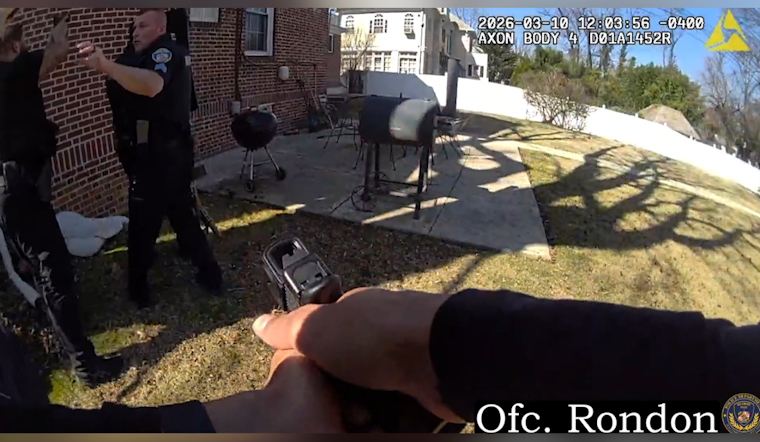
Officers were called to a home in the 6200 block of Park Heights Avenue for a reported burglary that escalated almost immediately. Police say they were met with gunfire, and one officer was hit. In a chaotic scene captured on body-worn cameras and aerial Foxtrot footage released by Baltimore police, a woman is seen jumping from an upper-floor window as officers scramble to pull their wounded colleague out of the line of fire, according to CBS Baltimore.
Subsequent local reporting identified the man killed in the standoff as Jonathan Ingram and named the SWAT officer who fired the fatal shot as Brian Loiero, a 15-year veteran of the Baltimore Police Department, according to The Baltimore Banner. Hoodline first covered the initial incident back in March in the piece Baltimore officer shot in Park Heights.
Why the IID closed the criminal case
The IID’s job is to comb through evidence in police-involved deaths and shootings and decide whether anything crosses the line from tragic to criminal. In this case, investigators reviewed body-worn camera footage, aerial footage, witness interviews, ballistics evidence, and other physical evidence, and then weighed it against the elements of potential charges under Maryland law.
The division publishes its findings and declination decisions on a public incident portal that tracks cases across the state. Those listings show several recent officer-involved investigations ending without criminal charges. More information on the IID’s role and its full case list is available on the incident page maintained by the Maryland Attorney General.
Local context and what comes next
This declination is not a one-off. It lands in the middle of a run of IID cases this year where the Attorney General has similarly declined to prosecute officers in fatal encounters, a pattern that has drawn scrutiny and frustration from some families and lawmakers who want to see more aggressive charging decisions.
The SWAT officer involved in the Park Heights shooting remained on administrative leave following the March incident, according to The Baltimore Banner. The closure of the criminal investigation does not automatically return him to duty, and it does not prevent the Baltimore Police Department from pursuing internal discipline or stop Ingram’s family from filing a civil lawsuit.
We will update this story if the IID releases its full declination report, if the Baltimore Police Department issues a new public statement, or if additional records related to the Park Heights standoff become available.





