

























































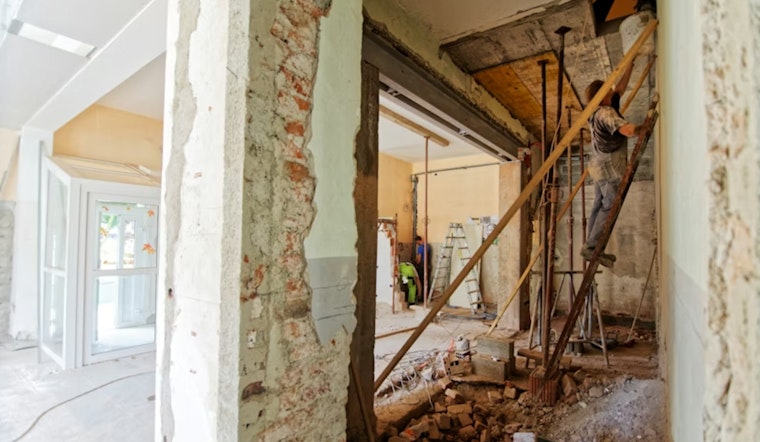
Illinois is dangling a fresh $56 million in Community Development Block Grant funding in front of its smaller towns, offering a rare chance to tackle long-delayed water, sewer and housing fixes that local budgets typically cannot touch. The new round pairs bread-and-butter infrastructure projects with an expanded housing rehab track and a new community revitalization pot aimed at sprucing up downtown facades and breathing life into shuttered buildings. State officials say the money will be handed out competitively and reserved for places that do not already receive HUD entitlement grants.
The state carved the package into $25 million for public infrastructure and $15 million for housing rehabilitation, with $13 million set aside for community revitalization and $3 million reserved for emergency assistance, according to the Chicago Business Journal. The funding falls under Illinois' Community Development Block Grant program, and winners will emerge from a competitive Notice of Funding Opportunity. Officials are pitching the round as a way to move capital projects that have been stuck on wish lists because they are simply too big for small-town ledgers.
Who Can Apply And What Projects Qualify
Under the federal Community Development Block Grant structure, states pass funds to non-entitlement units of local government, typically towns under 50,000 residents, according to HUD. In Illinois, the Department of Commerce and Economic Opportunity's Office of Community Development will run this round, and program details are posted on the agency's community development program page (DCEO).
Eligible projects are expected to include water and sewer line upgrades, storm-drain and drainage work, housing repairs such as lead remediation and ADA improvements, and streetscape or facade projects tied to downtown revival. All grants must still meet HUD's national objectives, which prioritize benefits to low and moderate income residents.
How To Apply And Key Dates
DCEO is preparing a Notice of Funding Opportunity and is hosting an application workshop and technical-assistance webinar on May 7 at 1 p.m. Applications for the Public Infrastructure and Housing Rehabilitation tracks are due Aug. 27, 2026 at 5:00 p.m., while Community Revitalization proposals will be accepted on a rolling basis, according to RiverBender. Award sizes will vary by track, with infrastructure grants generally running from about $300,000 to $1.5 million and housing rehabilitation awards typically topping out around $800,000. The forthcoming NOFO will spell out scoring criteria and any matching-fund requirements.
Prospective applicants are being urged to register for the webinar and keep an eye on DCEO's online application portal for the full NOFO and step by step application instructions. In practical terms, that means local officials, regional planners and nonprofit partners should start tightening up project scopes and confirming any match dollars now, not the week before the deadline.
What This Could Mean For Small Towns
For many smaller Illinois communities, periodic CDBG rounds are the only realistic way to fix crumbling water lines, replace aging sewer mains and make older homes livable again. The state's 2024 CDBG allocation sent roughly $41 million to similar projects in downstate communities, and reporting on the $41 million boost shows how tightly targeted awards can finally free projects that have been stuck on municipal back burners for years.
"From public water systems to homes for our working families, these Community Development Block Grant investments will transform lives across the state," Gov. JB Pritzker said in a statement, according to RiverBender. Municipal leaders, regional planning councils and nonprofit partners eyeing a piece of the new $56 million can find program materials and register for the workshop at DCEO's community development page (dceo.illinois.gov/communitydevelopment.html) and are being encouraged to get their plans and paperwork in order well before the clock runs out.


