

























































A routine basement job on Indianapolis' south side turned frightening Wednesday night when a contractor operating a gas-powered concrete cutter in a closed-off space collapsed from carbon monoxide exposure, landing him and several rescuers in local hospitals.
Crews found the worker unconscious in an unventilated basement and rushed to pull him out. Six people in total were checked for exposure after the rescue. The contractor was hospitalized, and at least one first responder was taken to a nearby hospital for evaluation.
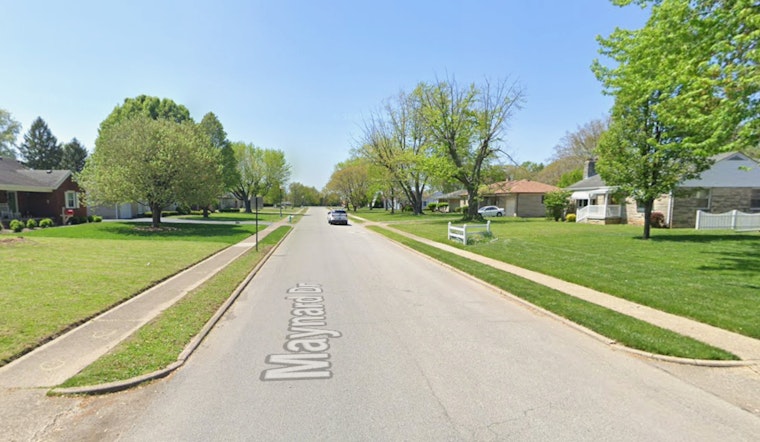
According to WTHR, the call came from a home in the 1300 block of Maynard Drive near Madison Avenue and Southport Road. Investigators said the contractor had been working in the enclosed basement for about 90 minutes before collapsing. Fire crews reported spending about 12 minutes inside the structure while carrying the man upstairs and outside, then ventilated the home.
Five first responders were transported to hospitals for evaluation, and the contractor was also hospitalized after being overcome by high carbon monoxide levels.
In a statement to WTHR, the Indianapolis Fire Department said, "The seriousness of this incident cannot be understated. The man is lucky to be alive, and the firefighters and medics could have been seriously injured." Officials said three IFD firefighters and two IEMS medics were treated and released and are expected to make a full recovery. The contractor remains under a doctor’s care.
Why Carbon Monoxide Is So Dangerous
Carbon monoxide is an odorless, colorless gas created by incomplete combustion. It can cause headaches, nausea, dizziness and, at higher concentrations, loss of consciousness. The Centers for Disease Control and Prevention notes that CO poisoning can strike quickly in enclosed spaces and urges homeowners to install battery-backed or hardwired CO detectors on every level of a home, especially near bedrooms. For more on symptoms and prevention, see the CDC.
How To Avoid A Repeat
Fire officials and safety agencies say the basic precautions are often the ones that save lives: ventilate work areas, avoid running gas-powered tools indoors and keep working CO alarms on every floor. The U.S. Consumer Product Safety Commission advises annual maintenance for furnaces and other fuel-burning appliances, along with detectors that are hardwired or have battery backups.
If anyone feels dizzy, faint or short of breath after working around engines or other combustion sources, the guidance is simple: get to fresh air immediately and seek medical attention.
City crews monitored and ventilated the home before clearing the scene, and no further injuries have been reported. The close call serves as a blunt reminder for both contractors and homeowners that fuel-burning equipment can turn a quiet basement into a life-threatening trap in short order.




