

























































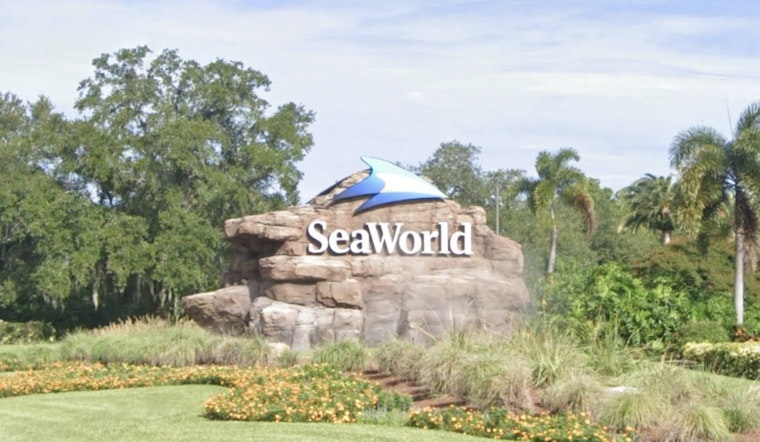
An emaciated manatee calf was pulled from the Atlantic side of the Florida Keys on Tuesday and rushed into care, a high-stakes rescue that had local teams racing the clock. Rescuers say the underweight male is now headed to SeaWorld Orlando for rehabilitation, after volunteers and professional responders worked quickly to stabilize him and prepare him for transport.
According to the Miami Herald, Allie Proskovec, a spokeswoman for the Dolphin Research Center, said the male calf, estimated to be a little more than a year old, was discovered in critical condition at John Pennekamp Coral Reef State Park in Key Largo. The calf's mother was in the area but showed no signs of nursing, a red flag for rescuers. A Dolphin Research Center veterinarian provided preliminary medical care on site before the animal was loaded up for the trip to Orlando.
Rescue And Transport
SeaWorld Orlando will receive the calf and provide intensive, around-the-clock veterinary care while the animal regains weight and strength, according to SeaWorld Orlando. The park operates a manatee rehabilitation area and routinely teams up with state and local agencies on rescues, medical stabilization and, when animals recover enough, release back into the wild.
Why This Matters
Manatee calves typically stay with their mothers for about two years and depend on them both for nutrition and for learning how to find food and navigate local waters. Early separation or malnutrition can be especially dangerous for young animals that have not yet learned how to fend for themselves. The Miami Herald coverage details how local rescue teams and licensed rehabilitation facilities coordinate in cases like this, with an eye toward returning manatees to the wild when recovery is possible.
How To Help
If you see a manatee or other marine mammal in distress, call the Florida Fish and Wildlife Conservation Commission’s Wildlife Alert Hotline at 1-888-404-3922 and do not attempt to move or feed the animal. The FWC coordinates rescue reports and works with licensed partners to transport animals to rehabilitation centers, according to the Florida Fish and Wildlife Conservation Commission.





