

























































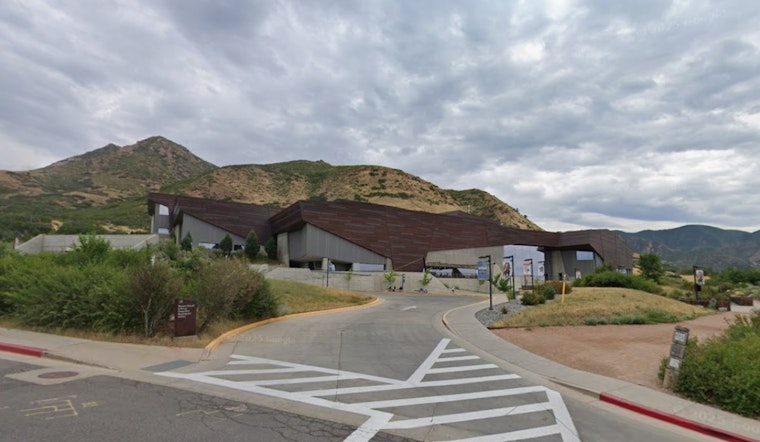
After more than a decade of painstaking behind-the-scenes work, the Natural History Museum of Utah and the Utah Bureau of Land Management were honored this month for cataloging, conserving, and returning a massive trove of Indigenous cultural items seized in a federal investigation. Teams have prepared and researched roughly 100,000 objects, ranging from stone tools and pottery to baskets, sandals, and other fragile organic pieces, for repatriation or long-term curation. Museum and BLM leaders say the sheer scale of the job has demanded extensive Tribal consultation and meticulous conservation so that items can be returned respectfully and safely.
SAA honors long, careful work
At the Society for American Archaeology’s annual meeting, the two agencies received the Award for Excellence in Curation and Collections Management, according to the Natural History Museum of Utah. "Illegal trafficking of cultural resources is not a victimless crime," Jeff Titus, acting special agent in charge for BLM law enforcement in Utah, said in the museum's statement. The award specifically recognized museum curators and BLM staff for more than 10 years of inventory, conservation, and consultation work that has prepared the objects for either return to Tribes or placement in appropriate long-term repositories.
What's in the Cerberus Collection
The museum reports that the Cerberus Collection contains about 101,000 objects, including roughly 1,600 ceramic vessels, 1,600 ground stone tools, about 1,000 pieces of personal adornment, and hundreds of baskets, sandals, and other woven items, according to the Natural History Museum of Utah. Tens of thousands of projectile points sit alongside many perishable materials, which makes the collection unusually challenging to process and conserve. That volume, combined with missing provenance for many pieces, is a major reason the cataloging, analysis, and Tribal consultation have stretched over so many years.
How the objects were recovered
The cache traces back to Operation Cerberus, an undercover federal sting that ran from 2006 into 2009 and used confidential informants and undercover purchases to uncover a large market in looted artifacts, as detailed by Smithsonian Magazine. Local coverage also highlighted the award and the museum’s role in long-term curation and repatriation, noting that the repack and return work has been underway for years, per KSL TV. Evidence gathered during the operation led to the items being forfeited to federal custody and to prosecutions under the Archaeological Resources Protection Act and related laws.
Repatriation and recent progress
BLM Utah’s 2025 cultural resources report shows that the repatriation and accession phase is very much active, and unavoidably slow. In FY2025, the agency prepared 472 objects for curation at NHMU, legally transferred custody of 4,892 cultural items to an Indian Tribe, and, after 18 months of preparation, repatriated 84 ancestors and 415 associated funerary objects, according to the Bureau of Land Management. Officials say the numbers reflect updated NAGPRA requirements and lengthy consultation processes. Many items still lack clear provenance, which adds more time to decisions about who should rightfully receive them.
Tribal returns and community impact
Some returns are already reshaping cultural practice on the ground. After consultation, 47 traditional pottery-making tools and a rare polychrome bowl were returned to the Pueblo of Santa Ana for use in cultural practice, a tribal official told TownLift. Tribal leaders and museum staff say that returning objects to descendant communities helps restore traditional techniques and knowledge that looting disrupted. Organizers have stressed that the award is recognition of ongoing, careful work rather than a sign that the project is finished.
The SAA honor puts a national spotlight on a project that started with a local investigation, yet now carries long-term implications for museums, Tribes and stewardship of public lands. Museum and BLM staff say the next steps are to continue consultations and to prepare additional material for safe transfer to descendant communities or for placement in appropriate repositories.





