

























































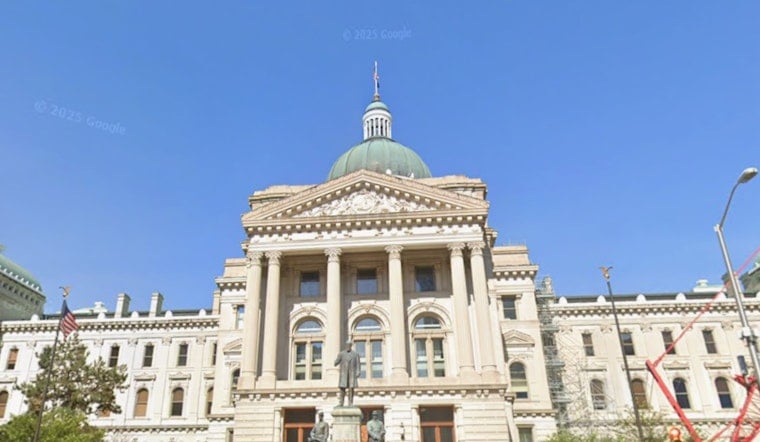
The long-running church-state fight over religious displays at the Indiana Statehouse is back on. Yesterday, the ACLU of Indiana asked a federal court to stop Gov. Mike Braun from putting a large limestone monument inscribed with the Ten Commandments on the Statehouse grounds.
The group wants permission to file an updated complaint in a 25 year old case and to keep in place the permanent injunction that has barred a similar display from the Capitol lawn since 2000. If the judge signs off, the next chapter of a decades old legal battle will unfold right in downtown Indianapolis.
Judge Reopened Case After Supreme Court Shifts
Last month, a federal judge granted the state’s Rule 60 motion and revived the long dormant case, noting that courts now use a different framework for Establishment Clause claims and that the issue merits fresh briefing, according to CaseMine.
The order temporarily paused any move to lift the original injunction and gave both the state and the ACLU a window to update the record and roll out new arguments. In other words, the judge reopened the file but has not yet decided whether the old ban on the monument will stand or fall.
What the Monument Says and Where It Sits
The monument at the center of the fight is an 11,500 pound Indiana limestone marker donated by the Indiana Limestone Institute. One large face carries the full text of the Ten Commandments. The opposite side displays the text of the U.S. Bill of Rights, while smaller faces are inscribed with the preamble to the 1851 Indiana Constitution.
The slab was built with the Statehouse lawn in mind but never made it there. After litigation blocked its installation roughly two decades ago, it stayed put on private church property in Bedford, according to Fox59.
ACLU Says Display Would Be Government-Endorsed Religion
In its new filing, the ACLU of Indiana argues that moving the monument from church grounds to the Statehouse would turn what is currently private speech into an official government message about religion. That, the group says, crosses a constitutional line and violates the First Amendment.
"It becomes a government-endorsed message about religion," ACLU of Indiana legal director Ken Falk said, as quoted in coverage by The Indiana Lawyer. The lawsuit leans on the long running injunction and on the idea that the Statehouse lawn is not the place for a text that is primarily religious.
State Says Monument Honors History
Braun and Attorney General Todd Rokita see it very differently. They argue the monument "reflects foundational texts that have shaped the Nation’s laws, liberties, and civic life for generations" and have asked the court to vacate the injunction so the marker can finally be installed on the Capitol grounds, according to Fox59.
Supporters have filed briefs asserting that recent Supreme Court decisions require courts to focus on historical practices rather than the old Lemon test when evaluating religious displays. That includes filings from advocacy groups such as First Liberty, which are urging the court to clear the way for the Statehouse installation.
Why Precedent Matters
Indiana’s motion leans on recent appellate rulings that rework how courts analyze religion display claims, most notably the Fifth Circuit’s en banc decision in Nathan v. Alamo Heights. That case upheld a Texas law requiring Ten Commandments posters in classrooms.
Other federal courts have gone the opposite way on Ten Commandments monuments, leaving the legal landscape unsettled as the U.S. District Court for the Southern District of Indiana weighs whether the 2000 injunction should remain in force. For a sense of how divided the case law has become, see the Fifth Circuit’s opinion and related ACLU litigation over a similar monument in Arkansas (Justia; ACLU of Arkansas).
For now, the judge’s order has given both sides a short runway to refresh their filings and explain how those modern precedents and historical practice tests should apply to a monument at the seat of Indiana government. The ACLU’s Monday filing is the opening volley in that renewed fight, and local legal outlets along with the federal court docket will be watching closely as new briefs, deadlines, and hearings are posted.





