

























































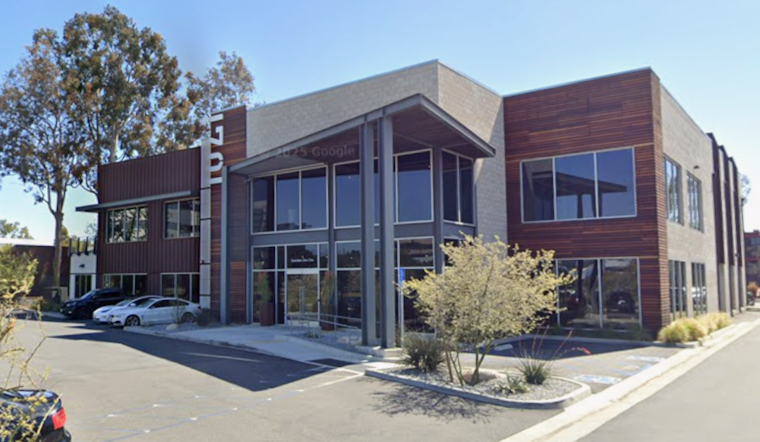
A joint venture led by BKM Capital Partners and Kayne Anderson Real Estate just dropped $1.81 billion on an 8.5-million-square-foot portfolio of infill, multi-tenant industrial buildings, instantly supercharging the partners' national footprint. The deal covers 275 buildings and nearly 2,000 small-bay units spread across California, Washington, Texas and Georgia, and the partners say the acquisition boosts their joint-venture holdings to roughly 15 million square feet under management. For small contractors, local distributors and last-mile operators that live and die by shallow-bay space, it is a clear sign that institutional money is muscling further into what used to be mom-and-pop territory.
In a press release via PR Newswire, the partners said the portfolio is roughly 90% occupied and made up of 51 multi-tenant light-industrial properties. They outlined a hands-on repositioning plan that includes targeted exterior upgrades, roof and HVAC work, market-ready improvements for vacant bays and selective reconfiguration to reduce office buildout. The partners expect overall office space in the portfolio to be trimmed from 37% to 33%. "This acquisition marks the largest addition to BKM's platform to date," BKM CEO Brian Malliet said in the release.
Trade reporting by DC Velocity identifies the seller as Link Logistics, the industrial platform created by Blackstone in 2019. DC Velocity also notes that Link Logistics still controls roughly a half-billion square feet across more than 3,000 properties. The sale was more than a pile of buildings on a spreadsheet, too, since it came with a fully baked operating footprint: eight local offices and about 40 employees who handle property management, leasing, construction and accounting for the acquired assets.
Why Investors Are Chasing Small-Bay Industrial
Commercial real estate research shows that smaller, infill industrial buildings are still unusually scarce and resilient, with vacancy for properties under 50,000 square feet sitting well below headline industrial rates, according to CoStar. Limited new supply, tight land constraints and fragmented ownership have turned this niche into catnip for investors that can scale local operations and squeeze extra value out of renovations and re-leasing.
That is the playbook commentators highlighted when BKM and Kayne Anderson Real Estate formed their joint venture in 2025, per coverage in the Commercial Observer. Rather than chase massive single-tenant boxes on the edge of town, the JV is targeting infill clusters of small-bay space where hands-on management and well-timed capital improvements can move the needle.
What The Buy Means For Small Businesses
When institutional owners scoop up multi-tenant light-industrial portfolios, the impact on local businesses can be a mixed bag. On one hand, capital improvements tend to make units safer, cleaner and easier to lease. On the other, tenants sometimes find that bills and lease terms get tighter as owners focus on steady, long-term income.
Industry groups and conference programming repeatedly stress that small-bay industrial is operationally intensive and that it rewards teams that can juggle many small tenants across infill neighborhoods, according to event coverage by NAIOP. It is less about autopilot rent checks and more about constant, boots-on-the-ground asset management.
For Bay Area and California users in particular, the new owners' plans to cut back office buildout and accelerate market-ready improvements could make vacant bays faster to occupy. At the same time, operators and brokers say that landlords with deeper pockets often push for longer lease terms and higher rents in tight markets. BKM and Kayne Anderson Real Estate said Truist Securities advised on the transaction and cast the deal as a major expansion of the joint venture's operating platform that will deepen its local presence in several infill markets.
Institutional bets like this one highlight a broader shift: while big-box logistics assets in some metros are wrestling with soft patches and elevated vacancy, small-bay light industrial remains one of the most in-demand and underbuilt corners of the sector. Owners willing to invest in on-the-ground operations are racing to stitch together scale before the supply crunch eases.





