

























































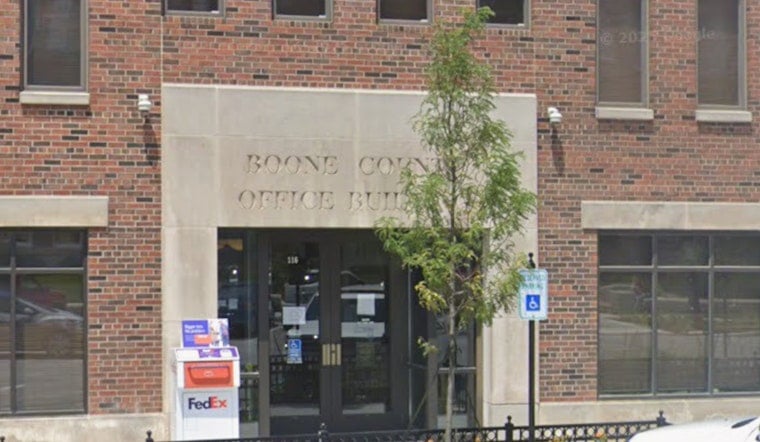
Boone County is hitting pause on the data center boom. Today, county commissioners voted to impose a one-year moratorium on new data center development in the county’s unincorporated areas and in the town of Advance. For the next 12 months, the county will stop accepting, processing and approving applications for facilities that it classifies as data centers, giving planners time to craft rules on power use, water demand and neighborhood impacts.
The move followed a favorable recommendation from the Boone County Area Plan Commission and took effect immediately, freezing staff work on any such petitions for a full year, according to IndyStar. “The moratorium was designed to give the county time to draft appropriate regulations,” Nicole Schell, executive director of the county's Area Plan staff, said. Officials emphasized that the pause applies specifically to unincorporated Boone County and the town of Advance.
Why planners say a pause is needed
County staff say the rules they are working with were written for a different era. Boone’s unified zoning ordinance is decades old and does not specifically address hyperscale server campuses. The Boone County Area Plan Office notes that the county's zoning code dates back to 1998 and leaves open questions about where and how to site large data facilities, according to Boone County Area Plan. The moratorium is intended to give staff time to study infrastructure capacity and public impacts before new rules are adopted.
Meta’s campus sits outside the pause
One of the highest profile projects in Boone County will keep moving. Meta Platforms has already begun construction on a multi-billion-dollar data center campus inside the LEAP Research and Innovation District near Lebanon, and because the site was annexed into the city before construction began it is not subject to the county moratorium. The campus, described in local reporting as a more than 10 billion dollar, roughly 1 gigawatt project with about 4 million square feet of buildings, is expected to employ thousands of construction workers and several hundred permanent employees once operational, as detailed by Indiana Economic Digest and other local coverage. County officials have said the Lebanon site will not be affected by the new pause.
Part of a wider statewide pause
Boone County is not alone in tapping the brakes. A City-County Council proposal in Indianapolis notes that Marshall County has adopted a permanent ban and that more than a half-dozen other Indiana counties have imposed moratoriums or temporary pauses, a trend specifically called out in the council’s resolution. Marshall County’s ban and other local freezes have been reported by regional outlets and local news coverage, including the City-County Council proposal and InkFreeNews.
What the moratorium covers
Under the commissioners' action, Boone County will not accept or process applications, permits or approvals for new data center development in the covered jurisdictions for 12 months. Planners say any new regulations will likely come in the form of an overlay district, similar to the county’s energy overlay that already bans commercial wind and places strict limits on large solar installations, while staff also drafts technical standards for water, noise and power. The county's prior energy overlay rules and recent moratorium documents will serve as the template staff studies as it writes the new language, with background available in the Boone County moratorium materials.
Next steps
County planners plan to use the moratorium window to prepare ordinance language, hold public hearings and return a recommendation to the commissioners for final action. Officials said there are no other pending petitions for large data center projects in unincorporated Boone County at this time, and that the moratorium gives the county 12 months to complete the work, according to Indiana Economic Digest. Residents and local leaders will have additional opportunities to weigh in as staff writes the new rules.





