

























































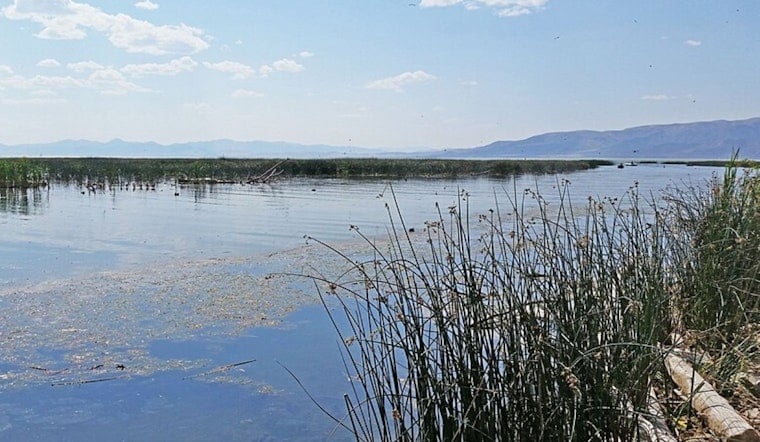
Dead fish lined stretches of the Provo River this week, turning heads along the Provo River Trail and triggering a swift response from wildlife crews. Neighbors briefly feared some kind of pollution disaster, but biologists say the scene is almost certainly the ugly side of carp spawning season: invasive fish stacking up in tight spots, getting trapped as the river slows and narrows, then dying off in bulk. Crews have been hauling out big loads of carcasses to keep the stench down and to protect precious nursery habitat for native species such as the June sucker.
Residents Found Carcasses Near Geneva Road
Reports started coming in from people walking the Provo River Trail west of Geneva Road, where residents said they were seeing multiple dead fish and smelling the results. One neighbor told reporters the odor was noticeably worse in that stretch. According to Utah Division of Wildlife Resources staff, carp are pushing upstream to spawn and then running into choke points, including a known barrier near 800 North and 800 West, where fish can pile up, overheat, and die. Crews pulled out thousands of pounds of carp this week in response, as detailed by KSL.
Why Carp Are A Problem
Carp are bottom-feeding, vegetation-ripping troublemakers that root through plants and stir up sediment, clouding the water and helping fuel harmful algal blooms. Those impacts have shrunk nursery habitat across Utah Lake and its tributaries, according to the June Sucker Recovery Implementation Program. Russ Franklin, the program’s assistant director, has likened carp to “feral pigs” for the way they shred vegetation and reshape an ecosystem, a comparison he shared with reporters during a carp removal demonstration covered by FOX13. Recent reporting and agency summaries note that removal work has already pulled out tens of millions of pounds of carp, with current estimates in the 29 to 35 million pound range, as managers try to bring back aquatic plants and boost June sucker recovery, according to the Daily Herald.
Restoration Work And The June Sucker Recovery
The Provo River Delta Restoration Project and other habitat improvements are aimed at rebuilding spawning and rearing areas for the June sucker, a native fish that the U.S. Fish and Wildlife Service has reclassified from endangered to threatened after years of recovery work. That multi-agency restoration effort, combined with targeted seining, automated traps, and commercial netting, is at the heart of the strategy to keep carp from overrunning key spawning stretches and to give young June sucker a fighting chance. The federal reclassification decision and project background are outlined by the U.S. Fish and Wildlife Service and its partners.
How Residents Can Help
Officials are asking residents to report dead or distressed fish and any unusual blooms so biologists can move quickly when trouble pops up. People can find sighting forms and program updates through the June Sucker Recovery program and can sign up for community carp removal events, such as the Utah Lake Authority’s Great Carp Hunt, as described by the Utah Lake Authority. Volunteer tournaments, targeted trapping, and public reports are all part of the broader push to knock carp numbers down and give underwater plants and native fish some room to rebound, the lake authority says.
Managers are clear that this is a long game and that carp will not disappear from the Provo River anytime soon. Still, they say quick removals at known choke points can help prevent mass die-offs from piling up and keep the river corridor usable for people who walk, ride and fish along it. “We probably won't get all the carp out of the Provo River, but we are working to make it better than what it was,” program staff told KSL.





