

























































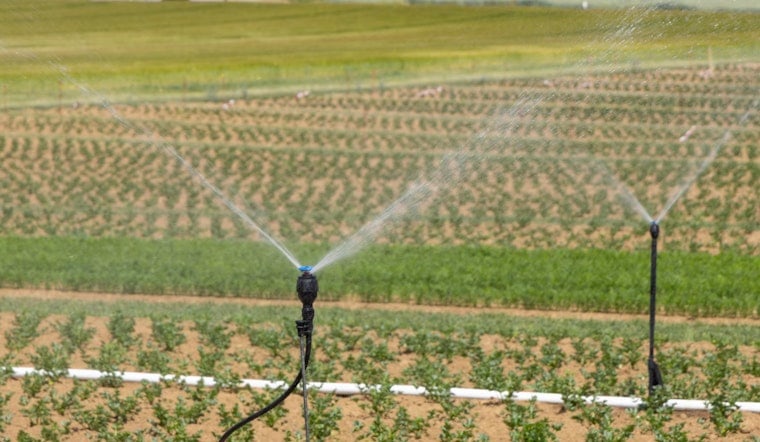
Kilimo, an international climate-tech firm, is rolling out a slate of water-saving projects across Oklahoma in a bid to protect cash crops and livestock as drought drags on and aquifers keep dropping. The company is pairing field sensors, pump monitoring and irrigation conversions that aim to trim the water applied to fields by roughly 10 to 40 percent. Kilimo leaders say the pitch is simple enough: connect corporate money to on-farm upgrades so producers can adopt modern efficiency tools without eating the full upfront bill.
As reported by The Journal Record, Kilimo has entered the Oklahoma market with a four-step protocol that runs through assessment, prioritizing, commitment and action, and it is already shopping pilot projects to local growers. Sami Tellatin, who leads Kilimo’s U.S. water work, framed the effort as both environmental insurance and a hard-nosed business move for companies that rely heavily on agricultural supply chains. The Journal Record also notes that Kilimo has previously teamed up with corporate partners in California to pay for irrigation upgrades.
Kilimo describes itself as a basin-focused water-stewardship platform that blends hydrological assessment, field-level agronomy and verified accounting so that conservation shows up as measurable volumetric outcomes, according to Kilimo. The company points to partnerships with Microsoft and Amazon Web Services and says it leans on auditable standards such as Volumetric Water Benefit Accounting. Kilimo also stresses that its projects are built around local farmer engagement and basin-level science, not one-size-fits-all tech dropped from afar.
How the program works
In Oklahoma, Kilimo’s projects will stack several tools at once: water-sensing technology that estimates crop evapotranspiration, smart telemetry that tracks pump performance in real time and equipment upgrades that shift fields from flood irrigation or aging sprinklers to drip or other automated systems. The combined setup is designed to squeeze out wasted water and build a verified baseline so companies can pay for documented reductions in use. As The Journal Record reports, those measures together could cut irrigation on participating fields by roughly 10 to 40 percent.
Why Oklahoma, why now
Oklahoma’s groundwater picture is getting tighter. A 2023 irrigation survey found that total groundwater withdrawals were 44 percent higher in 2023 than in 2008, and about 16 percent of Oklahoma wells reported deeper water levels, according to Oklahoma State University Extension. At the same time, the state’s water regulator lists more than 13,000 active permits that collectively authorize billions of gallons per day across Oklahoma, highlighting just how much water is legally on tap, per an update from the Oklahoma Water Resources Board.
The economic stakes are not small. The 2026 Feeding the Economy study finds that Oklahoma’s food and agriculture sector supports roughly 636,243 jobs and generates more than $10.6 billion in business taxes. If water reliability slips, that is the kind of number that keeps both farmers and statehouse budget writers up at night.
Data centers, competition and policy
New mega-users are also crowding into the conversation. Hyperscale data center projects proposed around Tulsa and other parts of the state could consume billions of gallons a year at peak, turning groundwater availability into a political fight as much as an agricultural problem, as The Frontier has reported. That rising demand has pushed lawmakers to act: this spring they advanced measures to tighten metering and nudge groundwater-reliant projects toward cooling technologies that use less water, according to a report that puts thirsty data centers on a short leash. Regulators and utilities argue that careful permitting and better data will be essential to shield farmers and small towns from getting squeezed.
Farmer uptake and cost barriers
Most growers are not opposed to high-efficiency irrigation or extra meters. The sticking point is the price tag for equipment, installation and automation. Kilimo’s model is meant to close that gap by pulling corporate sponsors into the financing chain so farmers can be paid for verified water reductions instead of paying everything out of pocket. Projects are structured to generate auditable volumetric outcomes that can be translated into payments or direct investments that help cover new gear and setup costs, according to Kilimo. Whether that kind of financial engineering can scale across Oklahoma will hinge on farmer participation, trusted verification and the appetite of corporate buyers to keep funding basin-level work.
What’s next
Kilimo has also released a Blue Risk Guide aimed at companies that source produce from at-risk basins and says its early Oklahoma pilots will concentrate on field-level verification and farmer outreach. The guide is available from BlueRiskIntel. If the pilots show consistent, independently verified savings and regulators follow through on stronger metering and reporting rules, the results could help stabilize stressed aquifers while keeping farm operations economically viable.
For now, Oklahoma is an early proving ground for whether private-sector water partnerships can buy a little time for communities staring down long-term groundwater decline. Kilimo’s tech will not make it rain, but if it can keep more water in the ground without knocking farmers out of business, that is a start many in the state are eager to see.





