

























































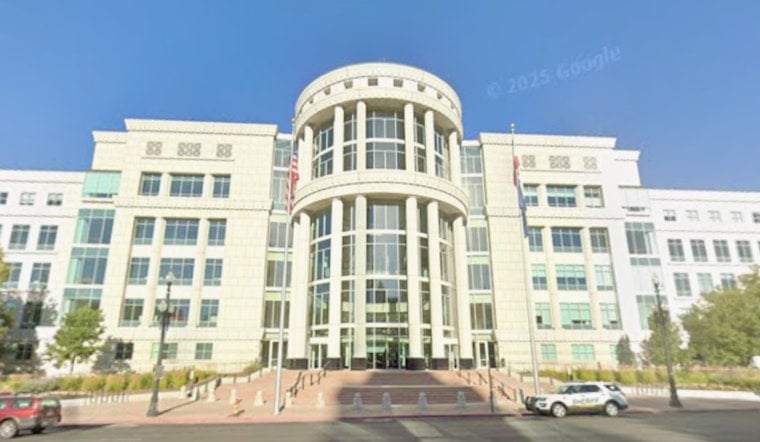
A top attorney for The Church of Jesus Christ of Latter-day Saints, now on track for a seat on Utah's newly expanded Supreme Court, has told state senators he will not automatically sit out cases involving his current employer.
Jay T. Jorgensen, one of Gov. Spencer Cox's two high-profile picks for the court, said at his confirmation hearing this week that he would review potential conflicts one case at a time instead of adopting a blanket rule to recuse from all church-related matters. The answer put a sharp spotlight on how Utah's legal power structure intersects with its dominant faith. Jorgensen and fellow nominee Stephen Dent are waiting on the Senate's recommendation and a full confirmation vote.
What he told senators
Testifying before the Utah Senate Judicial Confirmation Committee on June 12, Jorgensen said he did not believe he needed to step aside from every case touching on The Church of Jesus Christ of Latter-day Saints and would instead apply the standard conflict-of-interest analysis in each instance, according to The Salt Lake Tribune. He told lawmakers he would follow Utah law and applicable ethics rules rather than embrace a categorical recusal policy. Senators pressed both nominees on their judicial philosophies, how they view precedent, and their readiness to join the state's highest court.
His legal résumé
Jorgensen has served as senior counsel in the Office of General Counsel for The Church of Jesus Christ of Latter-day Saints since August 2025 and previously held senior legal roles at Walmart and Coupang, according to KUER. He also clerked for Chief Justice William Rehnquist and Justice Samuel Alito and describes his approach to judging as textualist and originalist. Supporters argue that those credentials make him more than qualified for the job, even though neither he nor Dent has prior experience on the bench.
Committee timetable
The Utah Senate Judicial Confirmation Committee has scheduled formal consideration of Jorgensen and Dent for its June meetings and has opened the door to public comment before taking action, according to an official agenda posted by the Utah Legislature. The committee has signaled it will vote on recommendations to the full Senate after the hearings, with the possibility of confirmation votes later in the week. Meeting materials lay out how senators will question the nominees and receive testimony from members of the public.
Why critics are watching
Critics warn that putting a justice with close employment ties to Utah's most influential religious institution on the high court could at least create an appearance of bias in cases where the Church is a party or a key stakeholder, according to KSL. Groups such as Co-Equal Utah and other legal watchdogs have urged senators to scrutinize the nominees' connections, pointing to a string of recent politically charged rulings and the Legislature's decision to add two new seats to the court. Supporters counter that what should matter are legal skills and adherence to ethics rules, not where a nominee has worked.
What the law requires
Utah's rules of professional practice and judicial ethics say judges must disqualify themselves in any proceeding where their impartiality might reasonably be questioned. The framework relies on what a reasonable person would think rather than hard-and-fast recusal categories, according to the Utah Courts. The rules spell out how judges can voluntarily step aside and how parties can raise disqualification concerns. Legal scholars note that the standards leave room for judgment calls that can attract public scrutiny when powerful local institutions are involved.
The committee is expected to send its recommendation on Jorgensen and Dent to the full Senate later this week, with confirmation votes likely around June 17, as reported by KSL. If confirmed, the pair would occupy the two new seats created when lawmakers expanded the Utah Supreme Court earlier this year. Senators say they will weigh legal résumés, stated commitments to ethics rules, and the broader question of public confidence as they decide whether to sign off.





