

























































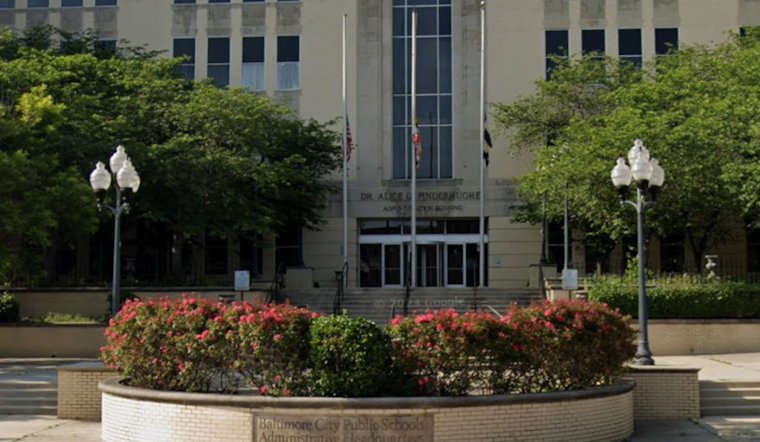
Dr. Jermaine Dawson is set to take the reins of Baltimore City Public Schools on July 1, stepping into a job that comes with sky-high expectations and some stubborn numbers to fix. He is pledging to boost literacy and math scores, cut chronic absenteeism, and raise the graduation rate, all while local and state data show City Schools trailing most other Maryland districts on key measures. His arrival closes out a decade under Dr. Sonja Brookins Santelises and opens a new, closely watched chapter for the system.
The Baltimore City Board of School Commissioners confirmed Dawson’s selection in an April 20 news release from Baltimore City Public Schools, noting he will succeed Santelises and officially start July 1. In that announcement, the district outlined its stated priorities as centering student voice, sharpening operational excellence, lifting staff expertise, and distributing resources more equitably. City leaders, including Mayor Brandon Scott, praised the choice and stressed how urgently students need faster academic progress.
In an on-camera conversation with Project Baltimore, Dawson said he plans to chase clear, measurable gains in literacy and math while pushing down chronic absenteeism and dropout numbers. "I see data where it is making significant improvement," he told the station, arguing that some indicators already show upward movement. He pointed to tighter accountability and stronger support for teachers and principals as the backbone of his strategy.
Local metrics paint a mixed picture
Recent figures on the Maryland School Report Card and coverage by WBALTV show a school system inching forward but still lagging well behind its peers. City Schools has posted modest gains in attendance and some proficiency measures, yet it remains near the bottom among Maryland districts on average SAT scores, chronic absenteeism, and the overall graduation rate. That mix of small wins and big gaps is the core dilemma Dawson is walking into.
Dawson's record in other districts draws scrutiny
Dawson arrives with a résumé that includes serving as deputy superintendent for academic services in Philadelphia and earlier as chief academic and accountability officer in Birmingham, Alabama, roles highlighted by CBS Baltimore. His past stops have already sparked debate. Pennsylvania data cited in local reporting showed small math gains but a dip in English-language proficiency in Philadelphia. Numbers pulled from Alabama sources and reported by Project Baltimore showed large percentage gains in baseline proficiency in Birmingham alongside a rise in the number of "F"-rated schools during the same period. When questioned about those Birmingham figures, Dawson told Project Baltimore, "No, the number of schools did not go up in my time in Birmingham."
What to watch in Year One
School advocates and district watchers say some early scorecards are already clear. They will be looking closely at daily attendance, performance on MCAP and SAT exams, and the four-year graduation rate. Observers will also track whether new accountability moves and resource shifts help lift the lowest performing schools, using the Maryland School Report Card and ongoing coverage from WBALTV as key benchmarks. City Schools says the coming weeks will be spent on a formal transition so Dawson and his team can settle on near-term metrics and priorities before students return in the fall.
Dawson officially steps into the role on July 1, as Santelises departs at the end of June after 10 years leading the district, according to the board. In the district’s announcement, as detailed by CBS Baltimore, Dawson said, "I am honored to lead City Schools at such a pivotal moment," and called for tight collaboration with students, families, and educators. The real test will be whether those modest recent gains can be turned into sustained, systemwide improvement in Baltimore’s classrooms.





