

























































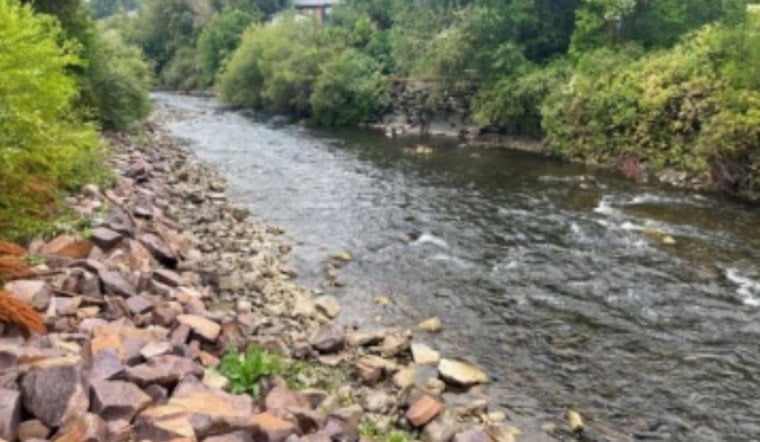
A federal watershed overhaul in Cache Valley could shuffle how water moves through Logan in a very visible way, trimming summer flows in the Little Logan River down to roughly 5–10 cubic feet per second. The Little Logan winds through parks and neighborhoods and, while often seasonal, is valued for the open water it brings into town. Supporters say the proposal would modernize aging canals and expand pressurized secondary water for homeowners. Critics say it risks turning a living ribbon of water into a tightly managed irrigation channel.
What The Draft Plan Would Do
The U.S. Department of Agriculture’s Natural Resources Conservation Service (NRCS) details the proposal in its Draft Logan River Watershed Plan–Environmental Impact Statement. The preferred “First Dam” alternative would move the Crockett Avenue diversion upstream, construct storage and pump stations, and build a pressurized irrigation distribution system. Under that option, the Little Logan would receive about 5–10 cubic feet per second of base flow during the irrigation season only.
The draft also explains that those base flows would be reduced proportionally when the Crockett Avenue Irrigation Company’s supply is constrained under longstanding water-rights rules, which could mean even lower flows in dry years. Those specifics are laid out in the NRCS Draft Plan–EIS.
Project Backers And Their Case
The Cache Water District is sponsoring the project, with Logan City, North Logan, Hyde Park, and the Crockett Avenue Irrigation Company as co-sponsors. The irrigation company’s president told the Salt Lake Tribune that “people should have a choice in what water they use to keep their lawns going,” a line that backers say captures the goal of expanding secondary-water access for homeowners while cutting seepage losses for farmers.
Local Groups Raise Alarm
Conservation groups and neighborhood organizers argue that the Draft EIS glosses over what the community could lose. Bridgerland Audubon and other advocates warn that piping or pressurizing canals could strip open water from River Hollow Park, Merlin Olsen Park, and other segments of the Little Logan, and they have issued an analysis calling for stronger protections. The group has shared resources and a public-comment timeline, and residents and park regulars say watching the river disappear from view would change day-to-day life in Logan.
Why It Matters For The Great Salt Lake
Even modest cuts to tributary flows are a big deal in a state wrestling with drought and a shrinking Great Salt Lake. The Logan River feeds into the Bear River system, which supplies much of the Great Salt Lake’s inflow, a connection planners flag when they look at upstream projects. State reporting and water managers have already warned that low spring snowpack and tight reservoir conditions mean northern Utah districts are planning mandatory water reductions this summer, raising the stakes for any shifts in local diversion and storage.
How To Weigh In
NRCS opened the public review period for the Draft Plan–EIS on May 8 and is taking written comments through June 22. A public meeting was held on May 20 at Logan High School. Project documents, fact sheets, and instructions for submitting comments are available on NRCS’s Logan River Watershed Project page.
What’s Next
When the comment window closes, federal and local sponsors will weigh public feedback, legal obligations, and environmental findings before picking a final alternative and moving toward design and construction. Proponents highlight flood prevention, reduced seepage and long-term water-use efficiency. Opponents counter that those benefits should not come at the cost of open water, parks, and river habitat. The outcome will decide whether the Little Logan continues as a visible community waterway or shifts into a mostly irrigation-season channel.


