

























































Liban Mohamed, a Black Democrat running in Utah’s 1st Congressional District primary, says Salt Lake County elections staff wrongly accused him of helping voters cast ballots at the county clerk’s office, an allegation he calls racial profiling. The run-in led the clerk’s office to issue an apology to Mohamed, who says the dustup underscores the kind of suspicion Black voters and community organizers can face when they show up to help neighbors navigate the voting process.
County staff flagged Mohamed at the elections office
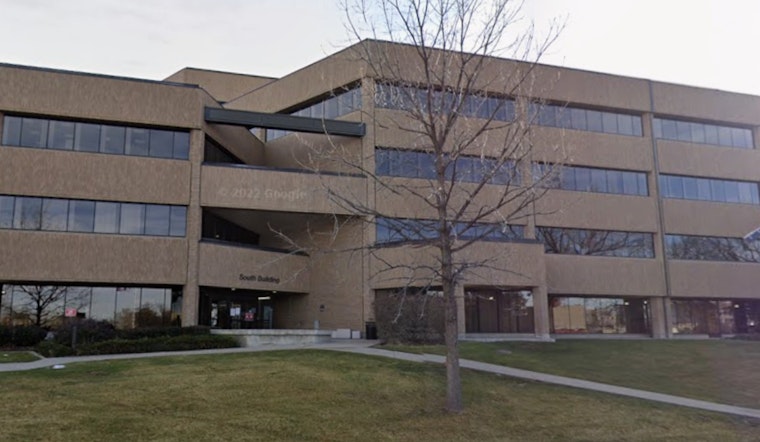
The Salt Lake Tribune reported that county elections workers flagged Mohamed during a visit to the clerk’s office earlier this month, saying staff believed he was assisting people with ballots. Mohamed disputes that, saying he was simply fielding questions from concerned constituents, and he labeled the allegation racial profiling, according to The Salt Lake Tribune.
Mohamed’s campaign and the race context
Mohamed, 27, secured delegate support at the state Democratic convention and is now competing in the June 23 primary, where his campaign has focused on outreach to underrepresented communities, according to Axios Salt Lake City. The ballot for the 1st Congressional District contest currently lists Mohamed as a candidate, per Salt Lake County.
County clerk issues apology
Following the encounter, the county clerk’s office issued what it described as its “sincerest apologies” to Mohamed and to the broader community, according to The Salt Lake Tribune. The office did not immediately spell out any specific changes to staff training or front-counter procedures in its public statement, leaving observers to wonder what, if anything, will look different the next time a candidate walks in with voters.
Why this matters for voters
Utah runs a statewide vote-by-mail system, and county clerks process large volumes of absentee ballots, so election staff are trained to keep a close eye on ballot security. That vigilance, however, can lead to tense or awkward moments when community organizers or candidates accompany voters to county offices and try to help them understand the process. The state’s official elections site explains how ballots are mailed, how they are returned, and where voters can get answers, and county offices routinely serve as a first stop for residents with questions, according to vote.utah.gov.
Legal notes
State law sets out how absentee ballots must be processed and gives registered voters a way to file verified complaints about election administration. An allegation on its own is not a criminal charge, and prosecutors decide whether any evidence supports filing charges. The Utah Legislature establishes the processing rules and complaint procedures that counties follow when they confront disputed or potentially unlawful ballot activity, per the Utah Legislature.
What’s next
Mohamed says he plans to keep campaigning and continue voter outreach ahead of the June 23 primary, despite the incident. The episode is likely to sharpen local debate over how election offices balance access with security. Local voting advocates say the apology is a start, but argue that clearer and more transparent visitor procedures at election offices could help prevent similar run-ins in the future.





