

























































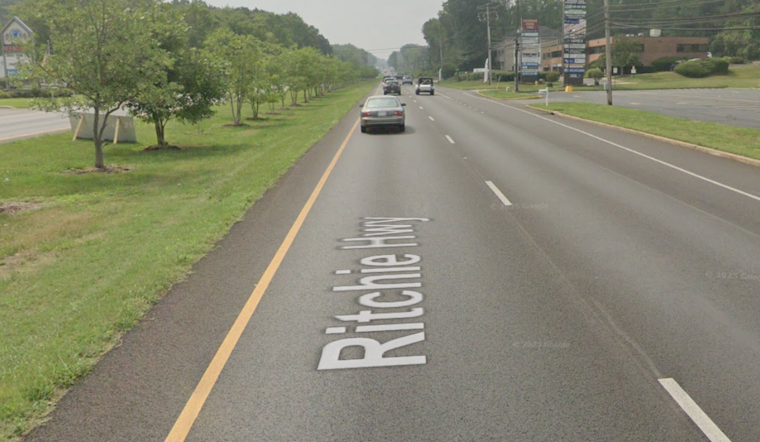
A force main break in August 2024 sent an estimated 16,200 gallons of raw sewage into Cypress Creek near the 800 block of Ritchie Highway in Severna Park, fouling a stretch of shoreline that residents typically treat as their backyard waterway. County crews limed and vacuumed the contaminated banks, posted warning signs, and began water-quality testing. The spill led to a temporary closure of parts of the creek and renewed scrutiny of how sewage overflows are reported and tracked.
What officials said
According to the Anne Arundel County Department of Public Works, the break allowed roughly 16,200 gallons of sewage to reach Cypress Creek while crews moved in to treat the banks and continue cleanup operations. The county notice says the overflow was reported to DPW Emergency Services in the evening and contained that night, with the cause of the break still under investigation. The agency said it also reported the incident to the County Department of Health and the Maryland Department of the Environment.
Closures and health advice
The Anne Arundel County Department of Health issued an emergency closing for the headwaters of the southern branch of Cypress Creek to Dill Road and Oak Grove Circle, temporarily banning swimming, waterskiing, and other direct-contact recreation for seven days. Health officials advised anyone who touched impacted ground or water to wash thoroughly with soap and warm water and to launder any clothing that might have been exposed. The department said it will keep monitoring water-quality results to determine when it is safe to lift the advisory.
Local reporting and response
Local news outlets quickly picked up the county alerts and pushed the warnings to Severna Park residents and boaters. WMAR2 News highlighted the cleanup work and repeated the county’s guidance for anyone who might have come into contact with contaminated areas while crews were on scene. That coverage helped spark questions from residents about how often these breaks happen and what is being done to keep them from becoming a regular feature of waterfront life.
Why it still matters
Spills of this size fall under state reporting rules, and lawmakers in Annapolis have been pressing for more transparency. House Bill 1621, outlined by the Maryland General Assembly, would require large wastewater operators to publish discharge volumes and begin testing quickly after bypasses or overflows. Anne Arundel County has ordered similar closures in recent years, most recently after a large overflow near Fort Smallwood Road, underscoring that sewage releases are a recurring risk for local waterways. Advocates argue that faster testing and clearer public notice help people avoid exposure and make informed decisions about water safety close to home.
What residents should do
Officials recommend that anyone who thinks they were exposed to contaminated water or shorelines wash thoroughly with soap and warm water and launder any clothing that may have come into contact with the affected area. For updates on Cypress Creek and other local spots, residents can call the county’s Recreational Water Quality Monitoring Program or check incident notices from the Department of Public Works, which include updates and contact information. Signing up for the county’s water-quality email alerts will deliver advisories about closures and reopenings as they are issued.



