

























































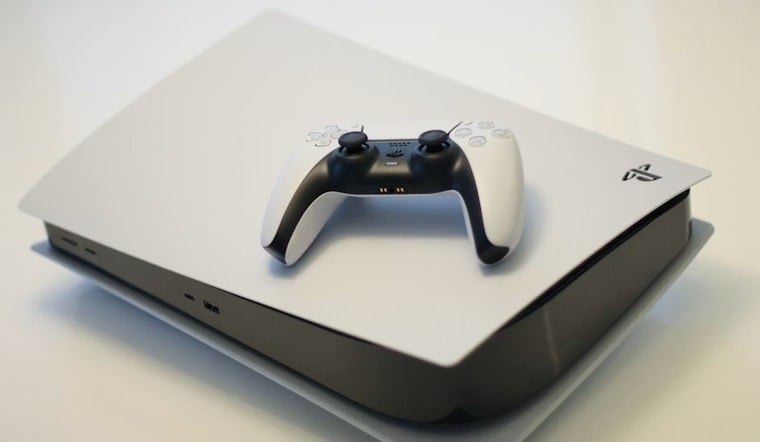
A fresh lawsuit out of San Francisco is calling out Sony’s PlayStation Store for what gamers say is a bait-and-switch on digital game ownership. Filed last Thursday, the complaint from four players argues that the store’s buttons, language, and checkout flow all signal that users are buying games outright, when in reality they are only getting a license tied to their accounts. When content gets pulled or online checks are required, they say, players suddenly discover that what felt like a purchase can vanish.
According to BGR, the lawsuit zeroes in on the PlayStation Store’s use of words like “buy” and “purchase,” paired with a brief licensing disclosure parked near the purchase button that plaintiffs say is easy to overlook. The complaint could be turned into a class action if a judge decides the issues reach across the PlayStation customer base. Sony is expected to lean heavily on its own contracts, which treat digital content as a license rather than a sale, a language that appears in the PlayStation Terms of Service.
What PlayStation's Rules Say
The fine print is not exactly subtle. Content is licensed, not sold, the PlayStation Terms of Service explains. Under that agreement, players get a non-exclusive, revocable license for personal use, while Sony Interactive Entertainment and its licensors keep all intellectual property rights. That framework has been a cornerstone of Sony’s defense strategy in earlier cases and is poised to play the same role here.
Why California Law Matters
California’s AB 2426 is the curveball in this fight. The law is designed to force businesses to spell out when they are selling a revocable license instead of true ownership, and it requires clear disclosure of the conditions under which access can be pulled, as laid out by the California Legislature. Lawmakers moved after a string of high-profile flare-ups over disappearing digital content and licensing clashes, episodes highlighted in coverage by Ars Technica.
What the Lawsuit Seeks
The plaintiffs say the PlayStation Store’s marketing and the way it tucks the licensing disclosure into the purchase page violate AB 2426 and mislead customers into thinking they own their digital games, according to BGR. They are asking the court for relief that could include forcing Sony to clean up and clarify its purchase flow, along with damages for players who thought they were buying games outright.
Legal Hurdles Ahead
Stacked on top of the ownership fight is a more procedural obstacle: Sony’s contracts are packed with binding arbitration clauses and class-action waivers, tools the company has previously used to push back on class certification in other cases, as reported by MLex. That setup could route many disputes into private arbitration or force players into one-by-one lawsuits instead of a broad class, which is a steep uphill climb for consumers. For now, the case is in its early days and is expected to move through the usual pretrial motions while the sides battle over where and how the claims will be heard.
What to Watch Next
All eyes will be on Sony’s first formal response and any quick moves to compel arbitration or toss the case, since those early filings will largely decide whether this turns into a headline-grabbing courtroom class action or a quieter stream of individual arbitrations. In the meantime, players who care about their options are being advised to hang onto receipts, emails, and screenshots of store pages and licensing text while the legal process plays out.





