

























































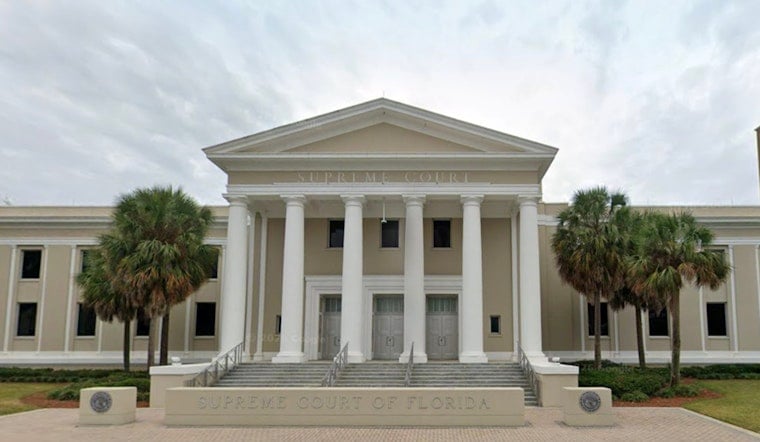
Florida’s Supreme Court has cleared the way for the state’s new congressional map to shape the 2026 midterm elections, declining on June 10 to block the Republican-drafted lines. The decision lands as candidates prepare to qualify and as voting-rights groups press a fast-moving legal challenge. Plaintiffs argue the map violates the voter-approved Fair Districts Amendment, while lawmakers and the governor’s office maintain the plan reflects population shifts and complies with state law.
What the court said
The high court issued a brief order denying the emergency petition and said it lacked jurisdiction to step in while the case is still playing out in the lower courts. The justices wrote, “We hereby deny Petitioners’ request for a constitutional writ.” According to the Supreme Court of Florida, the court will not consider motions for rehearing and explained that the First District Court of Appeal is the proper venue for the interlocutory appeal.
How the challenge unfolded
The lawsuit was filed by the Equal Ground Education Fund along with dozens of Floridians shortly after the Legislature signed off on the new congressional lines. A Leon County judge denied a request for a preliminary injunction, and the plaintiffs quickly appealed, according to Democracy Docket. The petitioners then asked the state Supreme Court to step in and pause the map. The justices declined, effectively sending the dispute back to the normal appeals track. Democracy Docket’s case page lays out the filings and orders that led up to the June 10 denial.
What the map does
Supporters say the redraw responds to growth and shifting demographics. Critics counter that the plan is built to lock in a measurable Republican edge in Florida’s congressional delegation. National coverage has reported that the map was crafted to potentially flip as many as four Democratic-held seats and that the court’s order makes it likely those lines will be in place this fall, according to Reuters. State public radio coverage has also described how the plan could yield roughly a 24–4 Republican advantage and highlighted advocates who call the redraw a partisan power grab. WUSF reported on those projected shifts and local reaction.
What’s next
The case now moves forward in the First District Court of Appeal, where plaintiffs are pushing for expedited review while they continue to press their constitutional claims on the merits, according to Democracy Docket. If the appeals court refuses to enjoin the map, challengers can keep seeking relief through additional appeals. If the appellate panel sides with the plaintiffs, the litigation could force a redraw or trigger delays close to the August primary.
Legal implications
The order underscored the limits on the Florida Supreme Court’s power to review interlocutory appeals, signaling that the justices were not willing to short-circuit the normal process. Justice Jorge Labarga filed the lone dissent, warning that the compressed election calendar could leave little or no time to resolve statewide legal questions before qualifying and ballots are set. The opinion, along with the dissent’s focus on looming deadlines such as the June 12 candidate-qualifying cutoff, is detailed in the court’s order. See the full opinion from the Supreme Court of Florida for the text of the denial and Justice Labarga’s dissent.





