

























































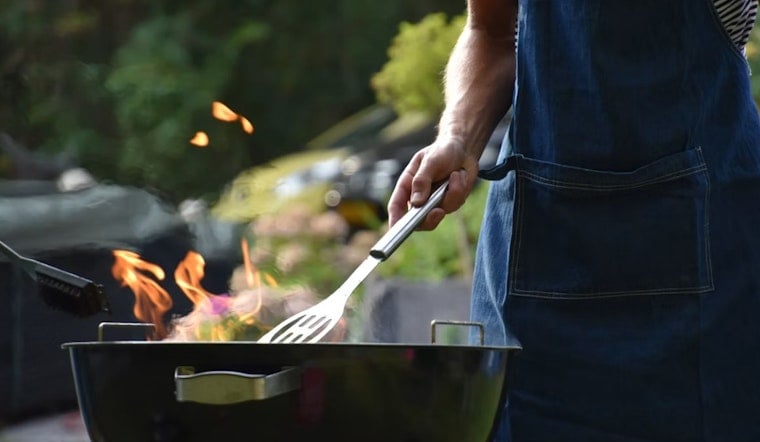
Backyard dinners in the Bay Area are no longer just whispered-about supper clubs for friends and neighbors. In a growing number of local counties, they are now fully licensed micro-restaurants, operating out of home kitchens under California’s MEHKO rules. Home chefs in Pleasant Hill, Concord and dozens of other neighborhoods are putting ticketed pop-ups, private pizza nights and weekly barbecue runs on the calendar, all from their own yards and patios. The shift gives cooks a lower-cost way into the restaurant world while keeping health inspections and food-safety checks firmly in the picture.
How the law works
Under state law, counties can choose whether to permit Microenterprise Home Kitchen Operations, or MEHKOs, and local agencies control the application and inspection process. The regulations usually include a 30-meals-per-day limit, a 90-meals-per-week limit and a cap on annual gross sales, along with other restrictions that local public-health offices have put in writing. As explained by the Santa Clara County Department of Environmental Health and the Alameda County Environmental Health, applicants have to turn in menus and standard operating procedures and clear inspections before they can start serving.
Where counties stand
Several local jurisdictions have created step-by-step permitting packets and guidance for aspiring home cooks, including San Mateo County's Environmental Health Services. In Contra Costa County, the Board of Supervisors voted unanimously on May 12 to make its MEHKO pilot a permanent program, a decision recorded in the county’s legislative materials.
Chefs cooking in their backyards
Plenty of locals have already fired up the grill, quite literally. Pleasant Hill chef Kellie Joe hosts intimate pizza by the pond dinners in her backyard, while Concord’s Live Oak Kitchen runs a weekly Santa Maria-style barbecue pop-up. These operators are testing menus, building a base of regulars and keeping overhead low, all while staying within the limits of their permits. Recent reporting profiles several of these cooks and the dishes they turn out around the Bay Area, showing how well the format suits chefs who want to keep things small, local and tightly controlled.
Limits and trade-offs
For many, MEHKO rules are both a lifeline and a leash. Cooks can serve their neighbors and bring in income, but only if they stick to strict meal caps and follow rules on how they advertise. Counties lay out the daily and weekly limits and same-day preparation requirements on their own permitting pages, which means operators have to schedule and plan with care. "The MEHKO route was our only chance to take all the amazing skills Chef Douglas has and be able to have a business around it," Ariana Faustini told The Mercury News, summing up why some chefs embrace micro-restaurants even with those built-in constraints.
A broader Bay Area picture
California counties have not all moved at the same pace. Los Angeles County rolled out its program quickly and reported more than 100 MEHKO permits within months of launch, a sign of how fast the model can grow once the doors open. Advocates and journalists have also created tools to help cooks find welcoming jurisdictions and get the word out without breaking the rules. An interactive map and training resources described by KPBS and MEHKO advocates help operators spot active programs, sign up for classes and pursue limited fee waivers or grants.
What it means for diners and cooks
Health departments and advocates say MEHKOs widen the path into food entrepreneurship while keeping inspections and record-keeping in place to protect customers. County staff point to early pilot results and to outreach workshops that aim to help operators follow the rules and keep the public informed about what is happening in their neighborhoods. For diners, that means more hyper-local meals and small-batch flavors that are only available to the people who know to ring the right doorbell.





